Son of David and Beverly Todd was diagnosed with Cerebral Palsy and would require specialized care that was not available in their community of Muskogee. Along with the love and support of friends, Green Country Cerebral Palsy and Neuro-Muscular Foundation was established in 1975 and was later re-named to Kelly B Todd in dedication.
A Special Place for Children
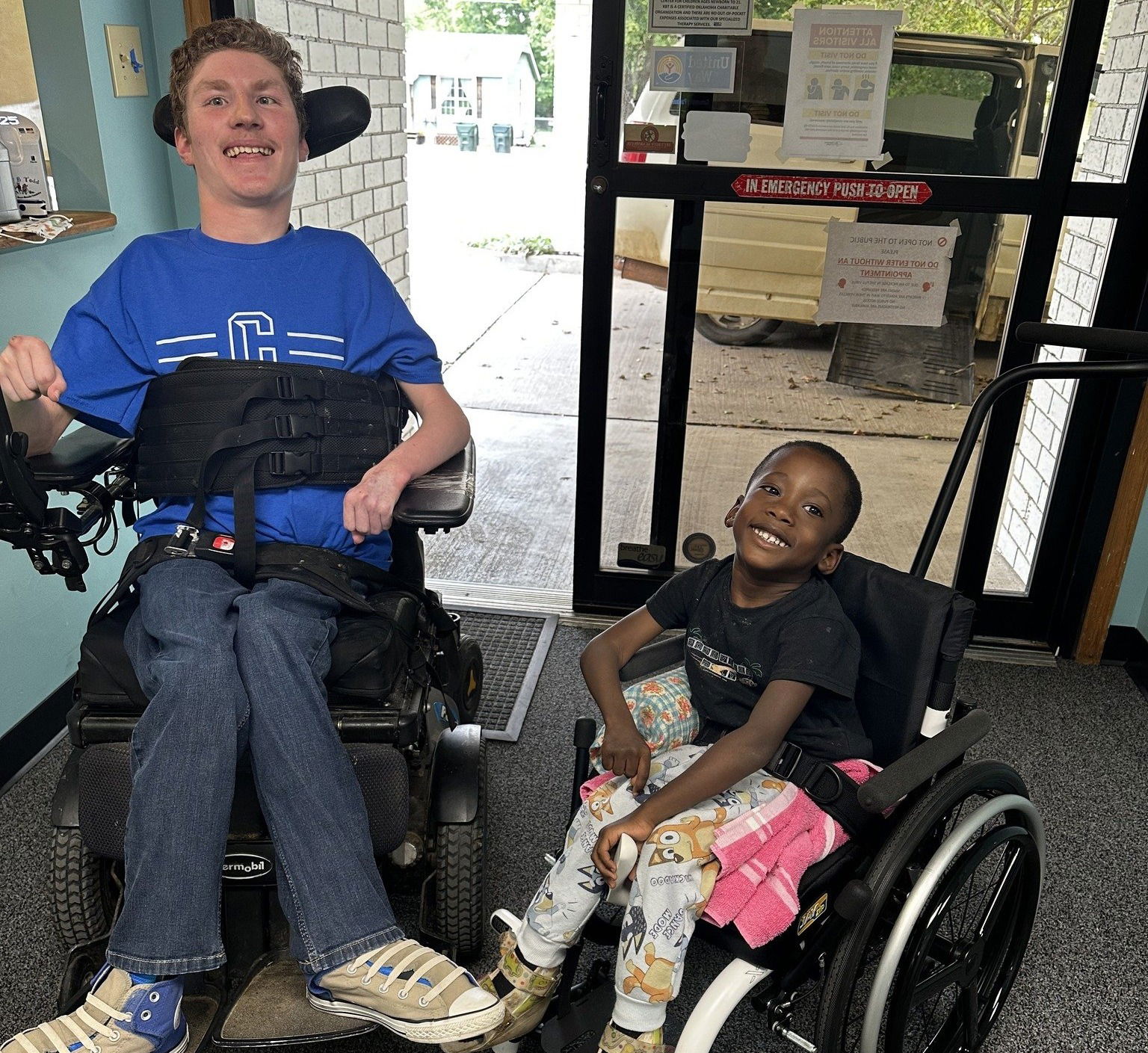
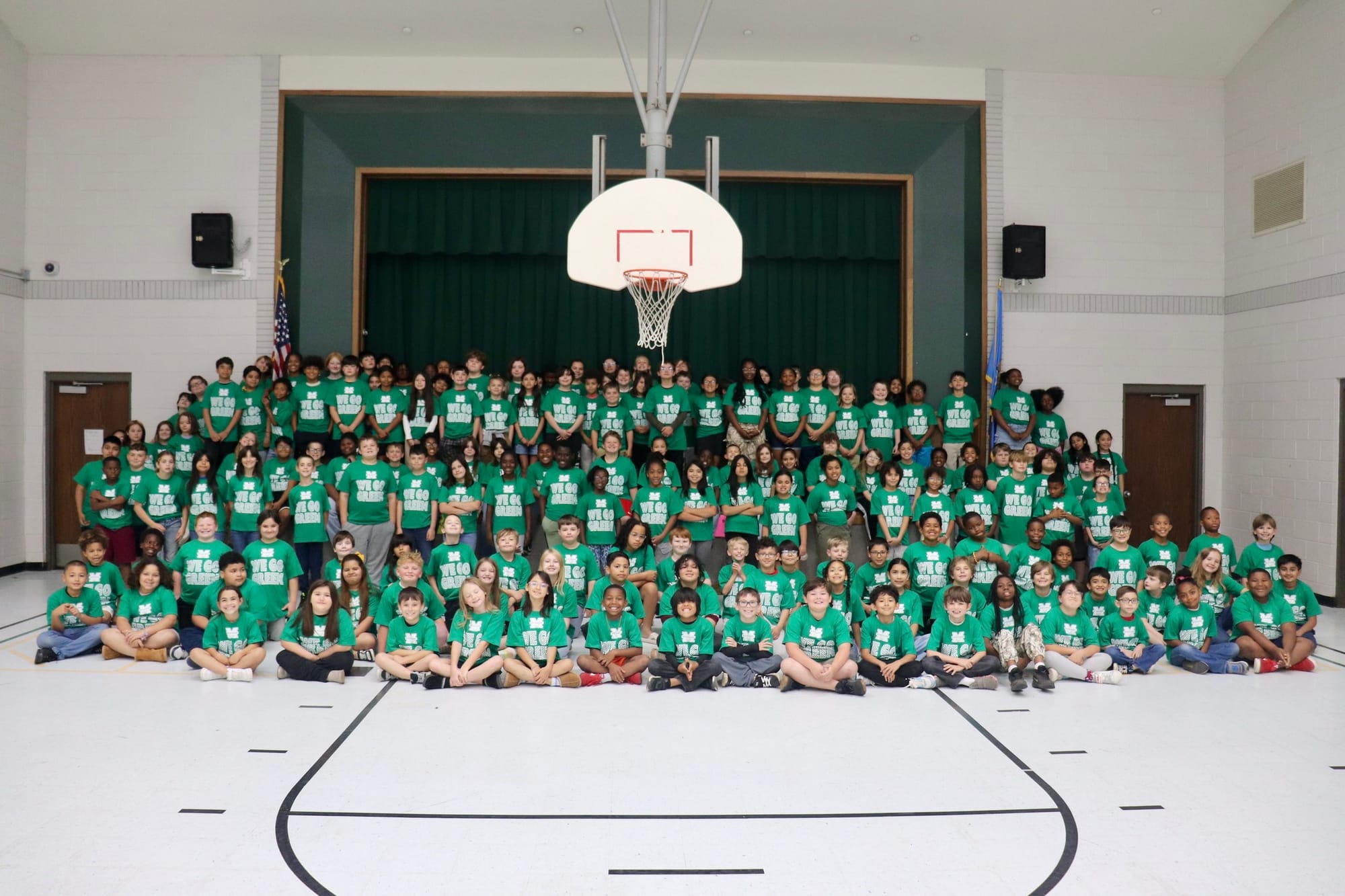
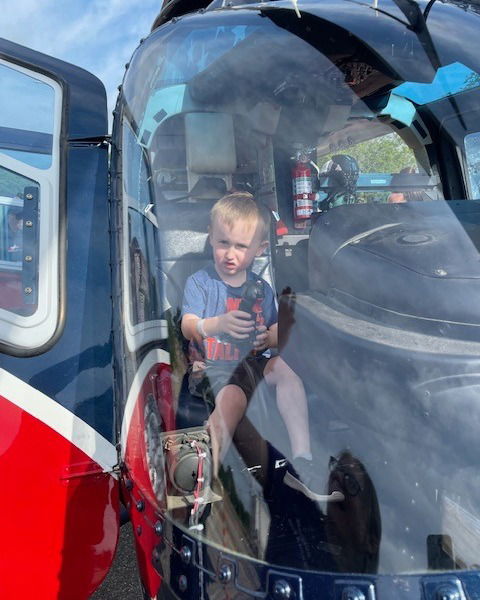
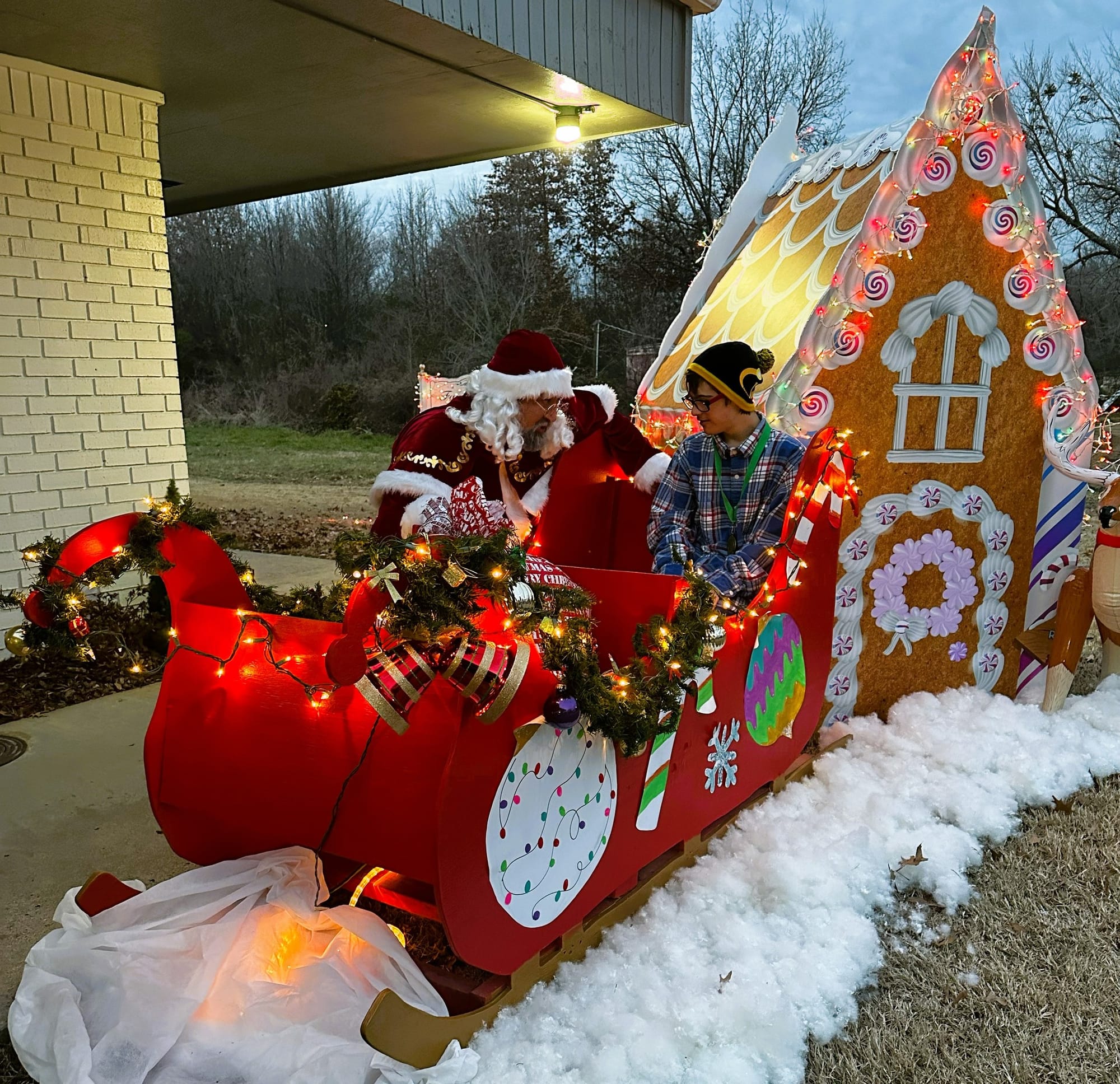
At Kelly B Todd, we are committed to creating a community where every child, regardless of ability, has the opportunity to grow, learn, and succeed
MUSKOGEE COUNTY AND SURROUNDING AREAS
HELPING CHILDREN - AGES 0 to 21 YEARS
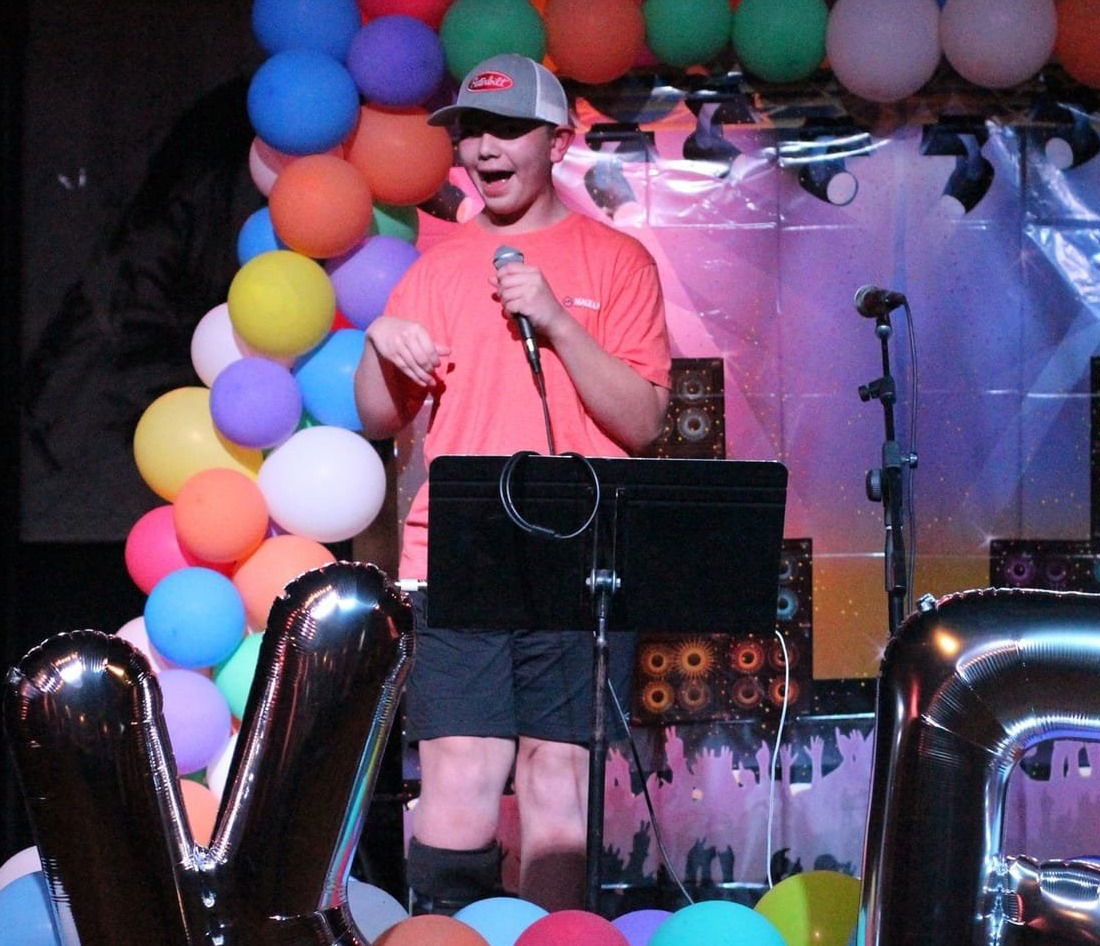
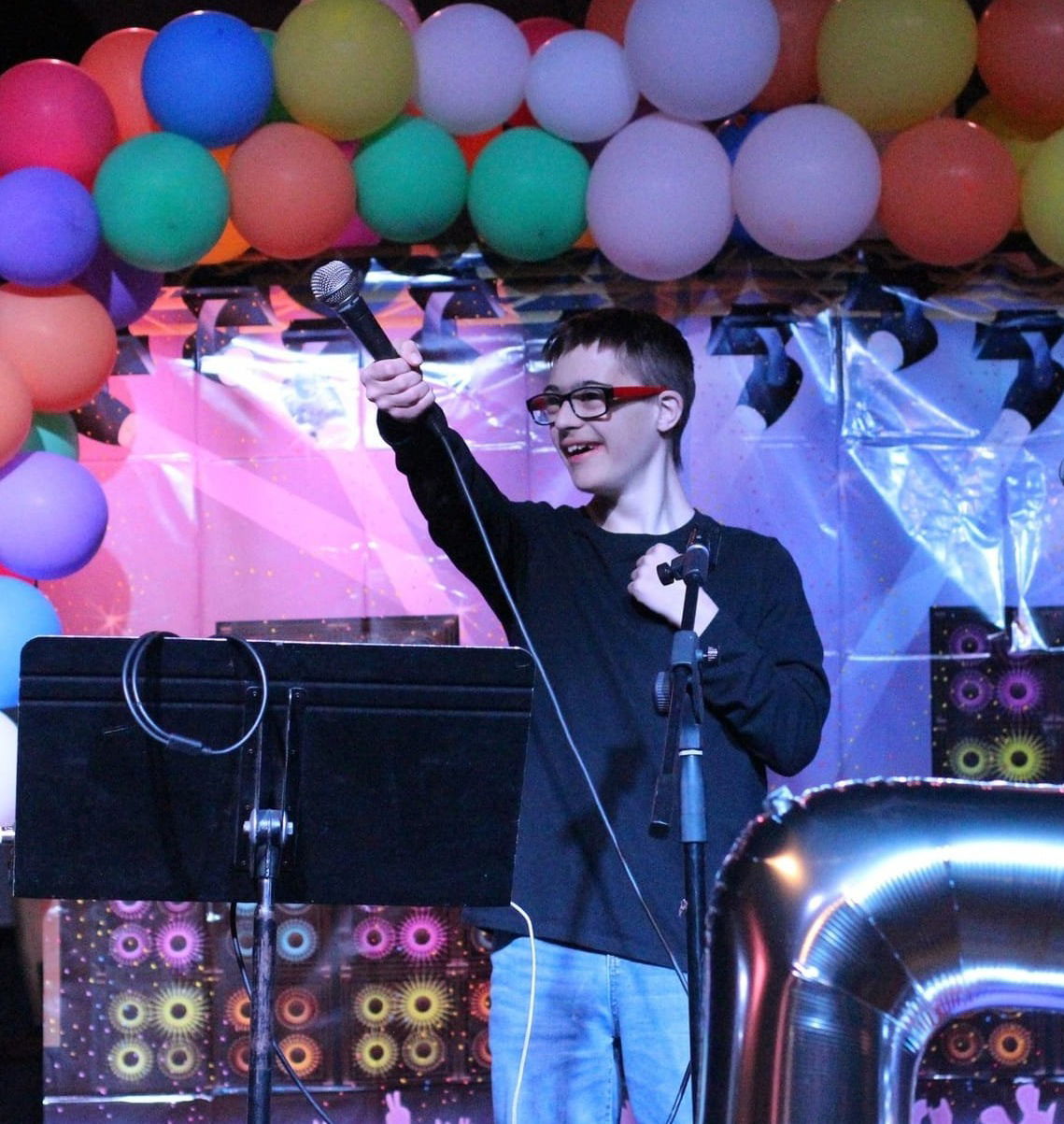
NIGHT in the TROPICS - August 8
TOGETHER WE - MAKE A DIRECT IMPACT IN A CHILD'S LIFE
"IT'S ALL for the KIDS!"
$1000

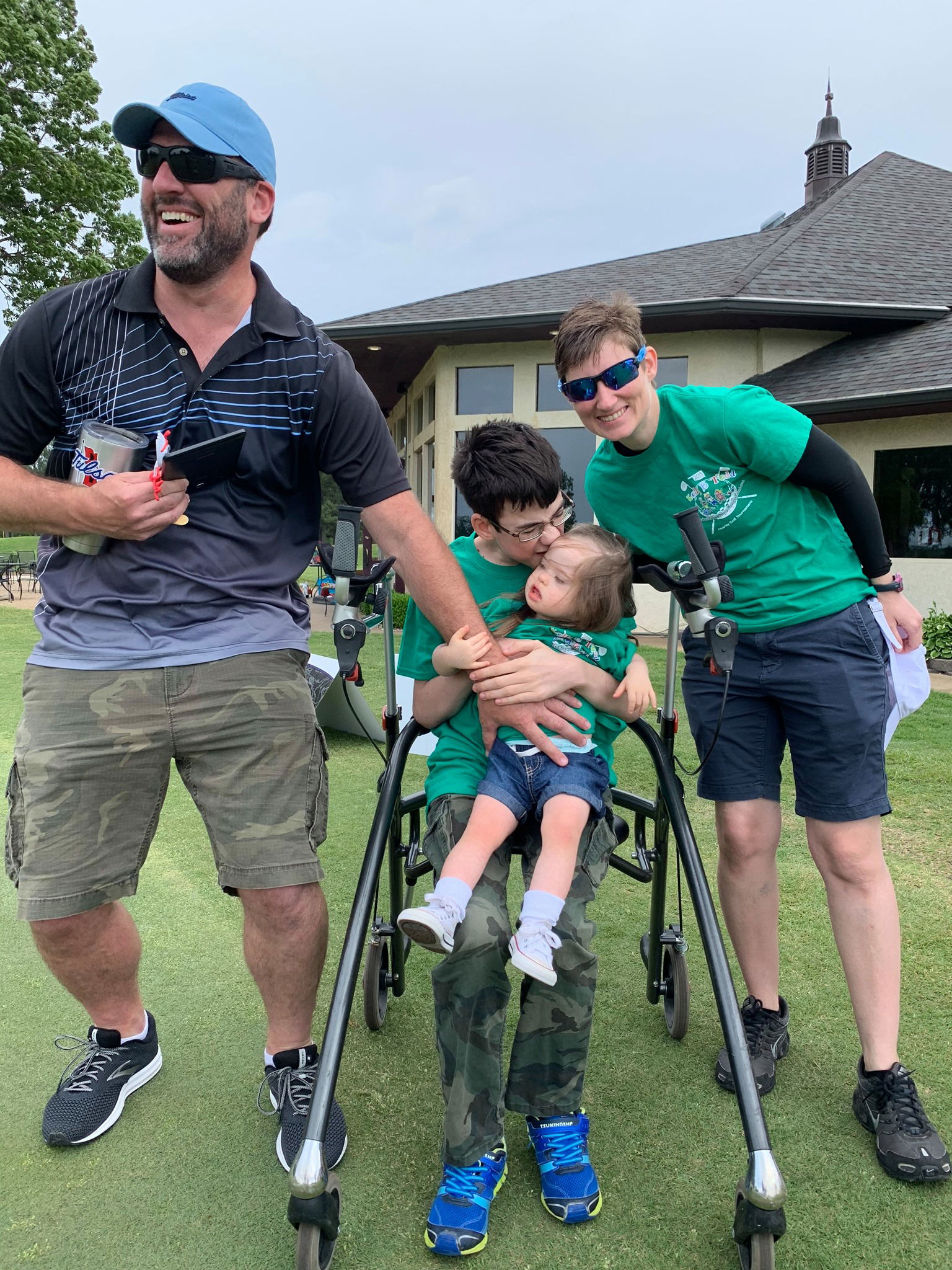
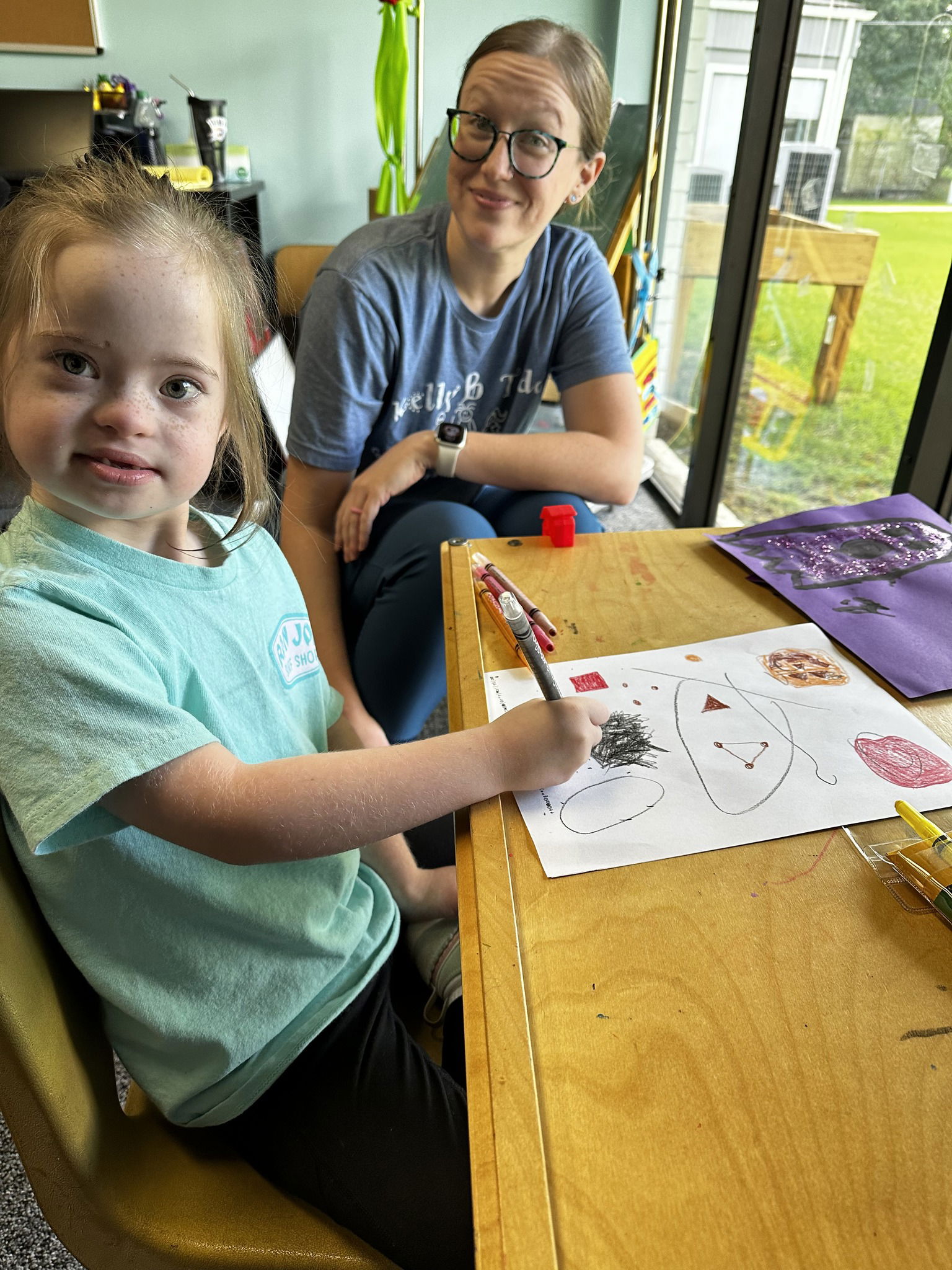
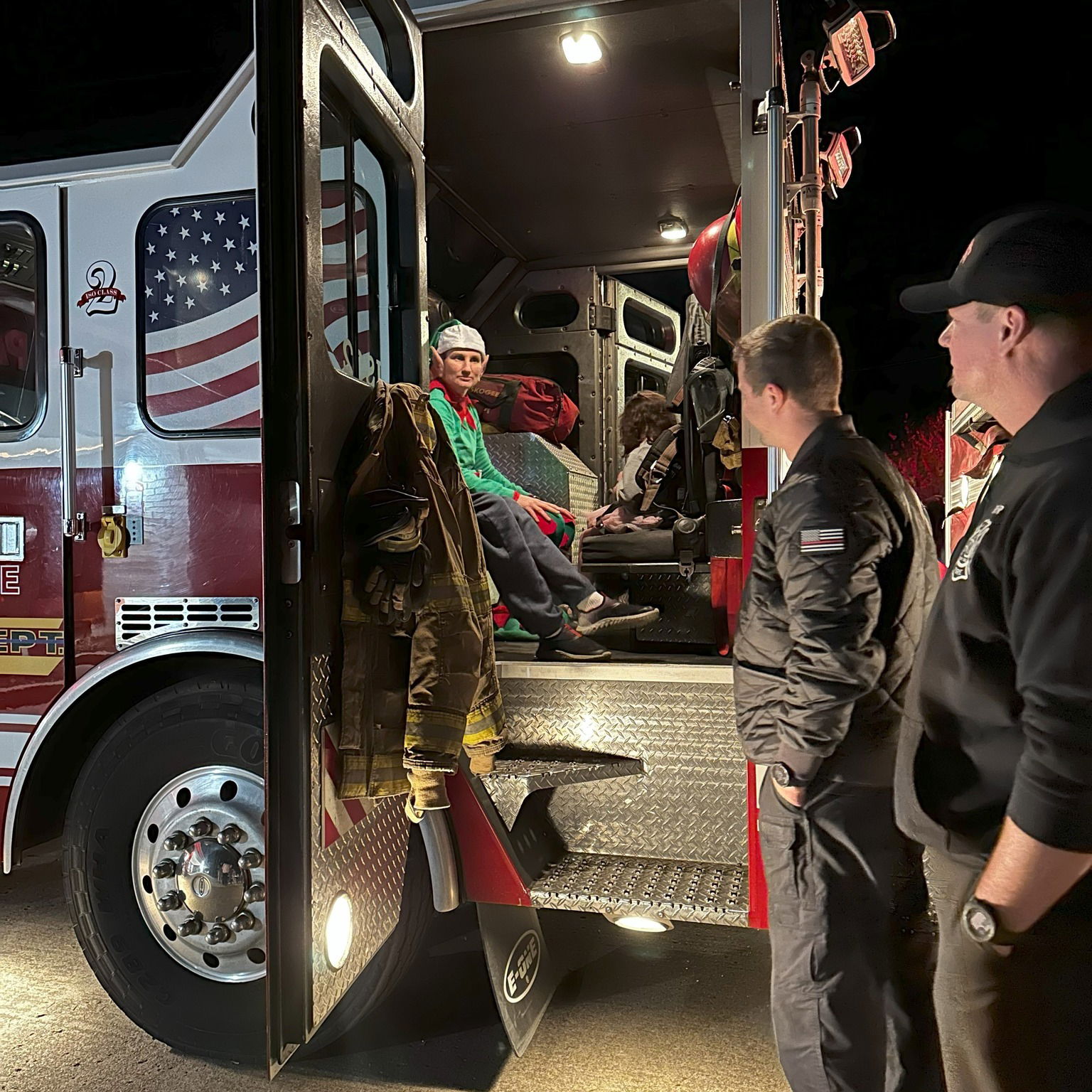
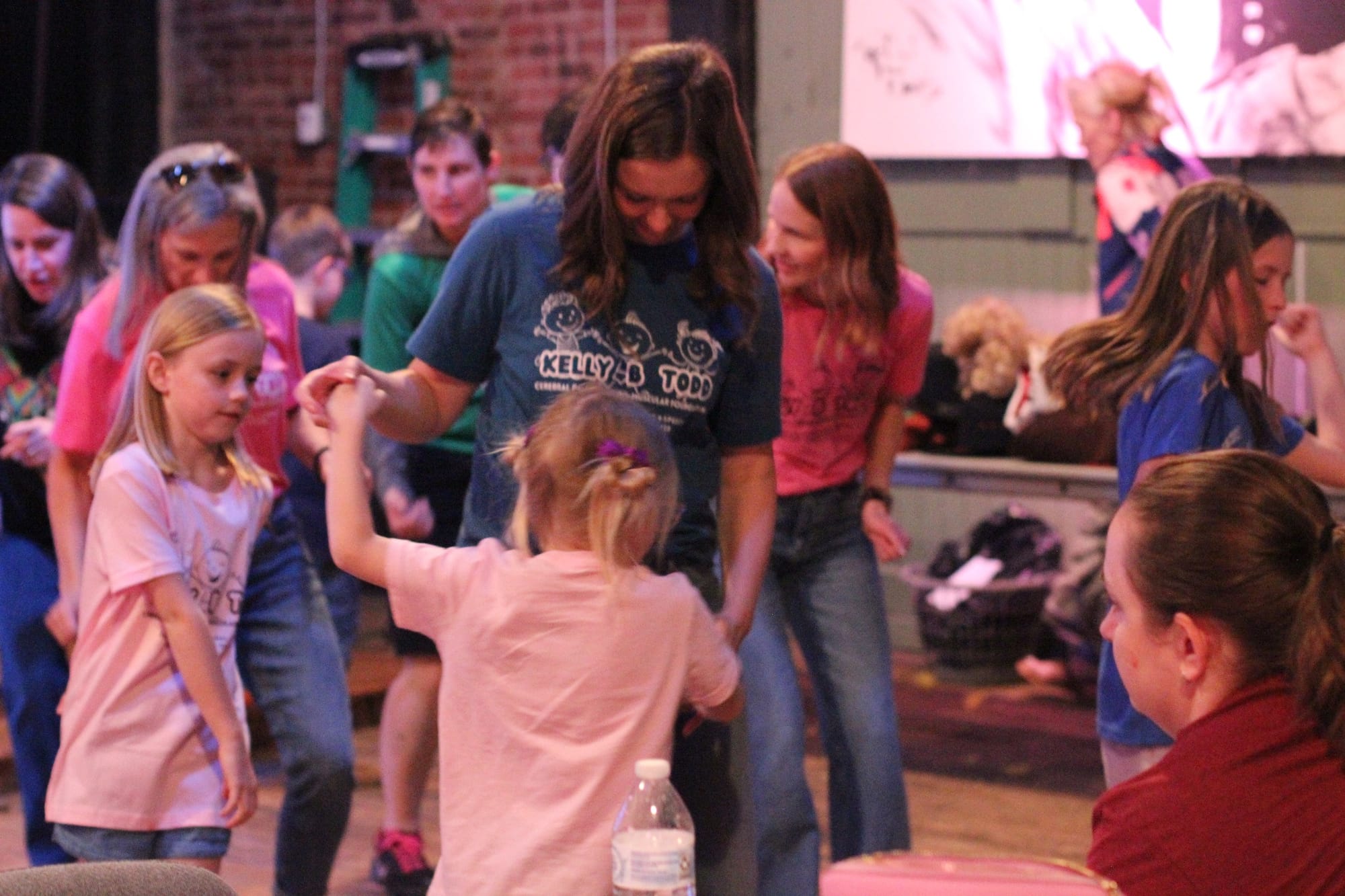
DONATE TODAY WITH CASH APP $kellybtoddcpcenter
Every dollar donated makes a difference and every child deserves the chance to thrive.
2026 EVENTS - DONATE - VOLUNTEER - SPONSOR
SPECIALIZED PEDIATRIC THERAPY SERVICES
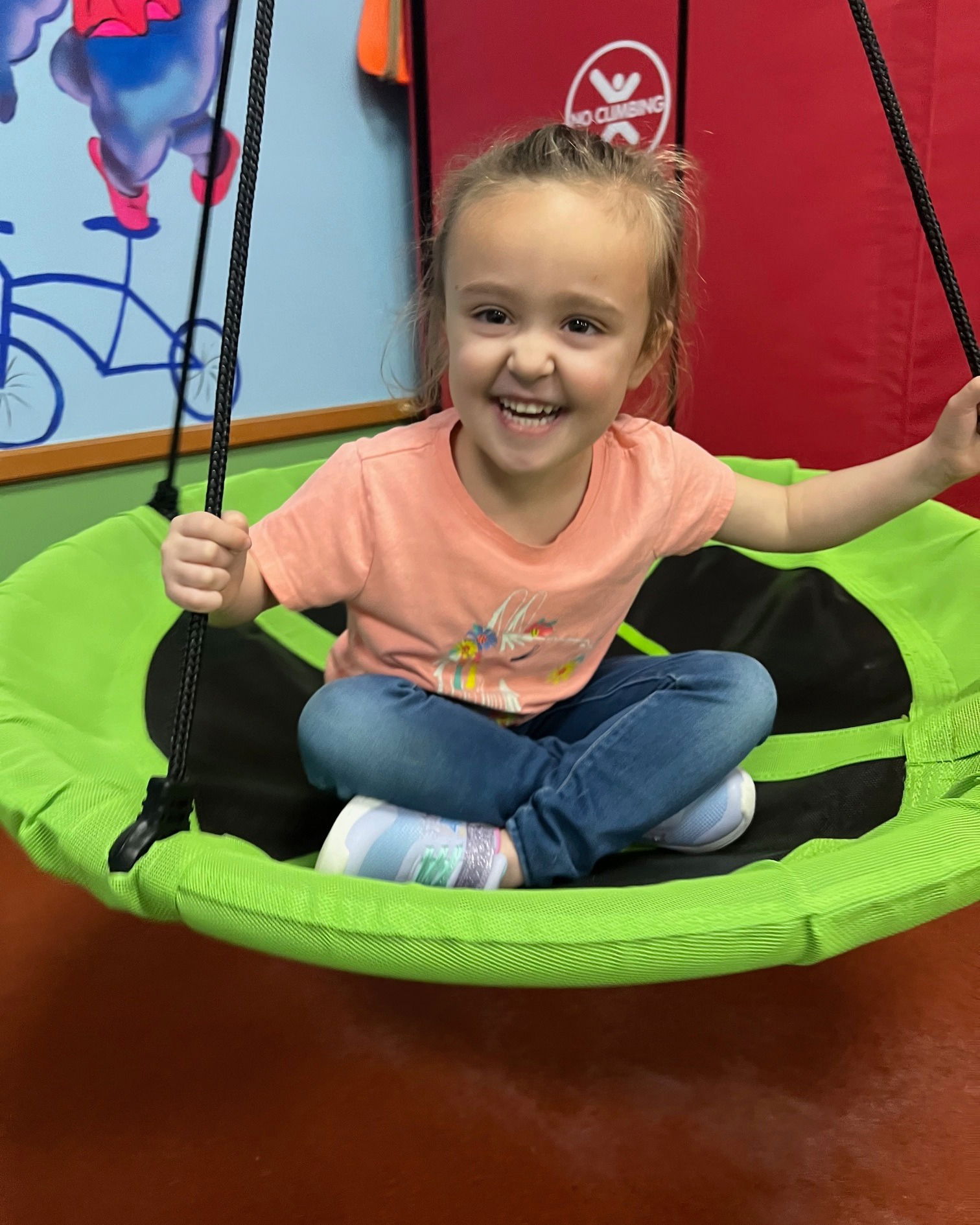
WE OFFER AN ACCESSIBLE SENSORY SPACE WHERE EVERY CHILD EXPERIENCES INCLUSION & OPPORTUNITIES
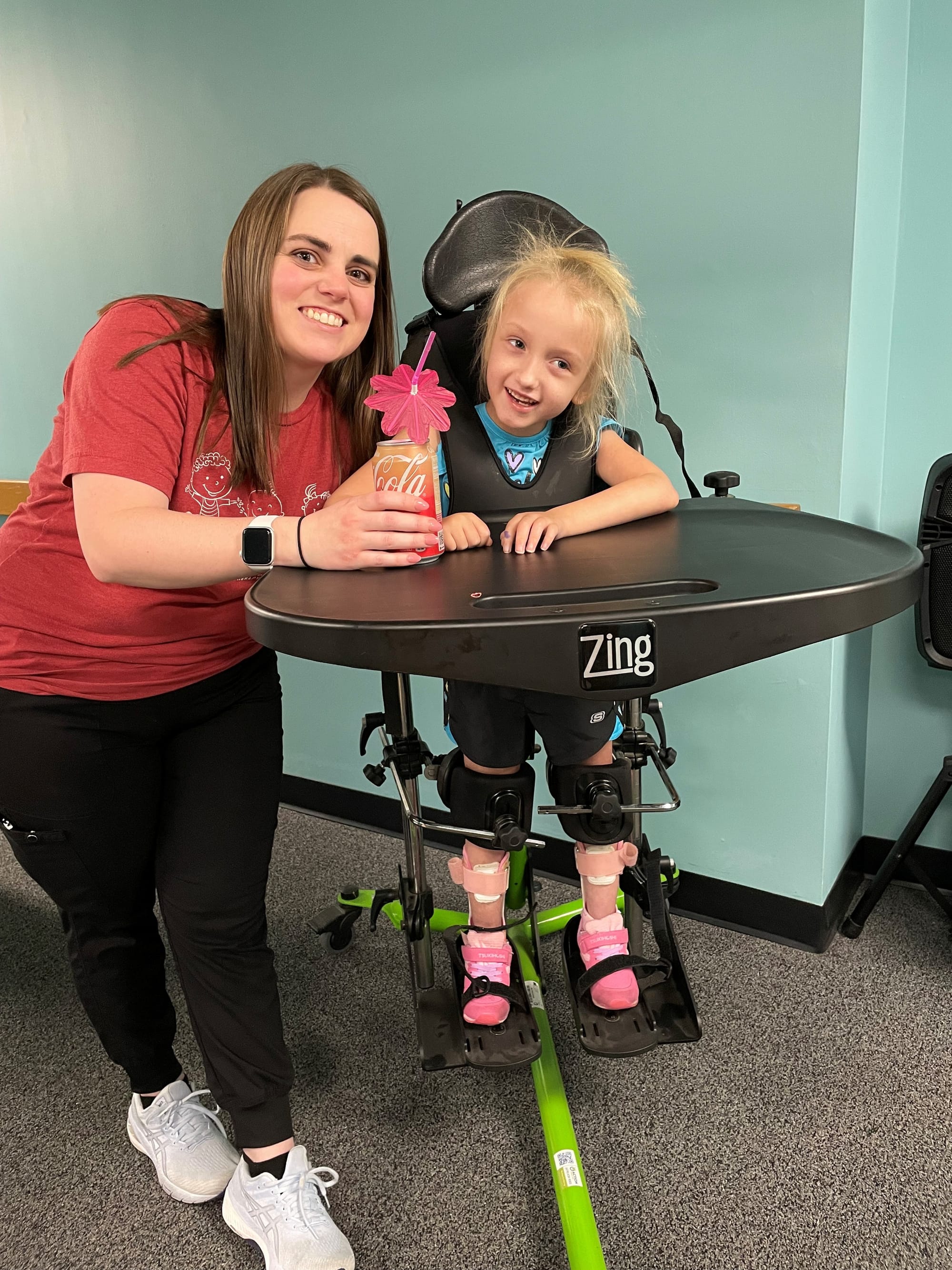
Physical Therapy
An individualized program to improve strength, coordination, and balance through Exercises and Play assisting your child to develop and reach their range of motion, strength, flexibility, movement patterns. gait, and mobility goals.
Occupational Therapy
Helping your child participate in daily life to the best of their ability and depending on your child’s needs: Sensory Integration, Play, Exercise, Social Interaction, Fine Motor Activities, and Independence.
Speech/Swallowing Therapy
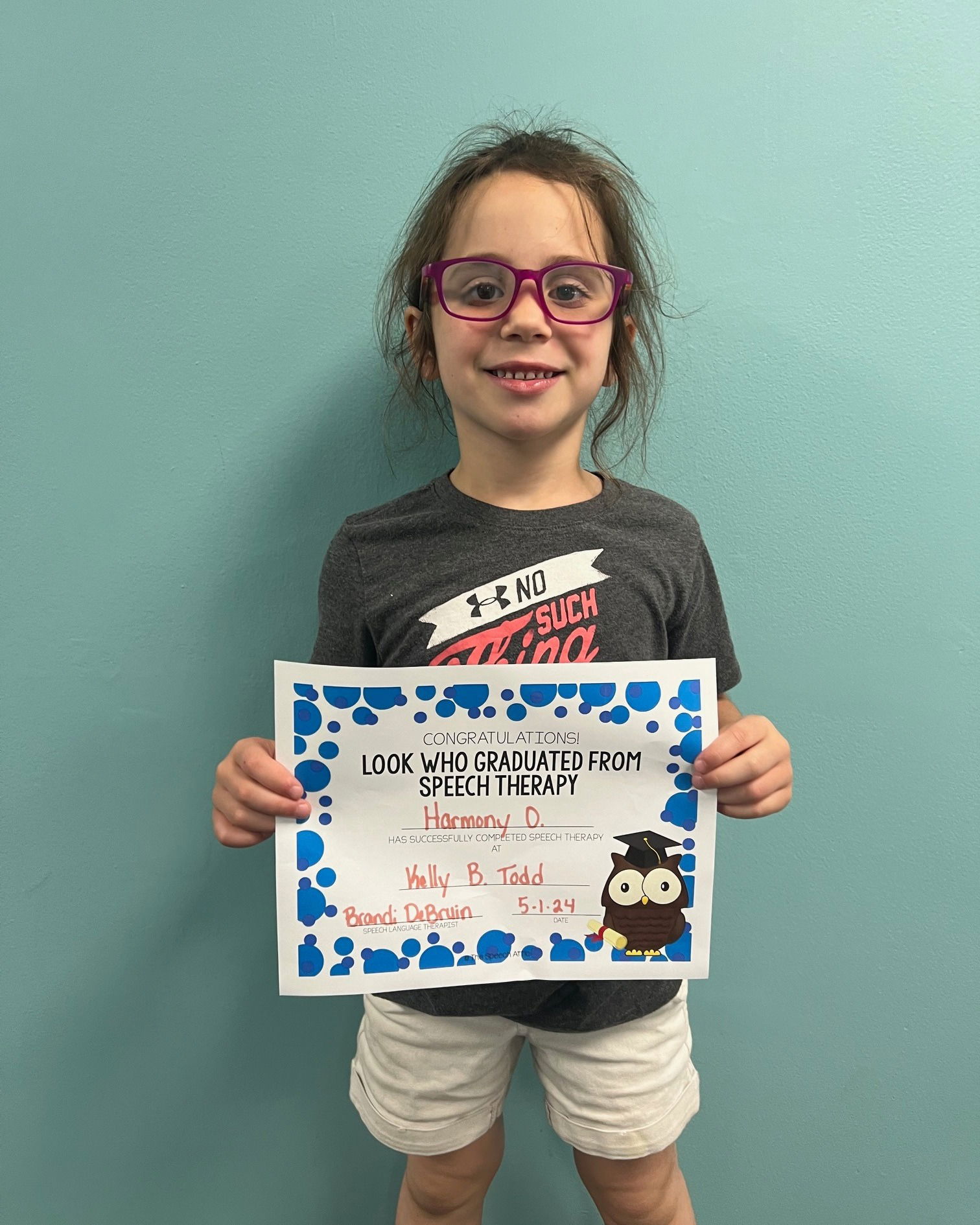
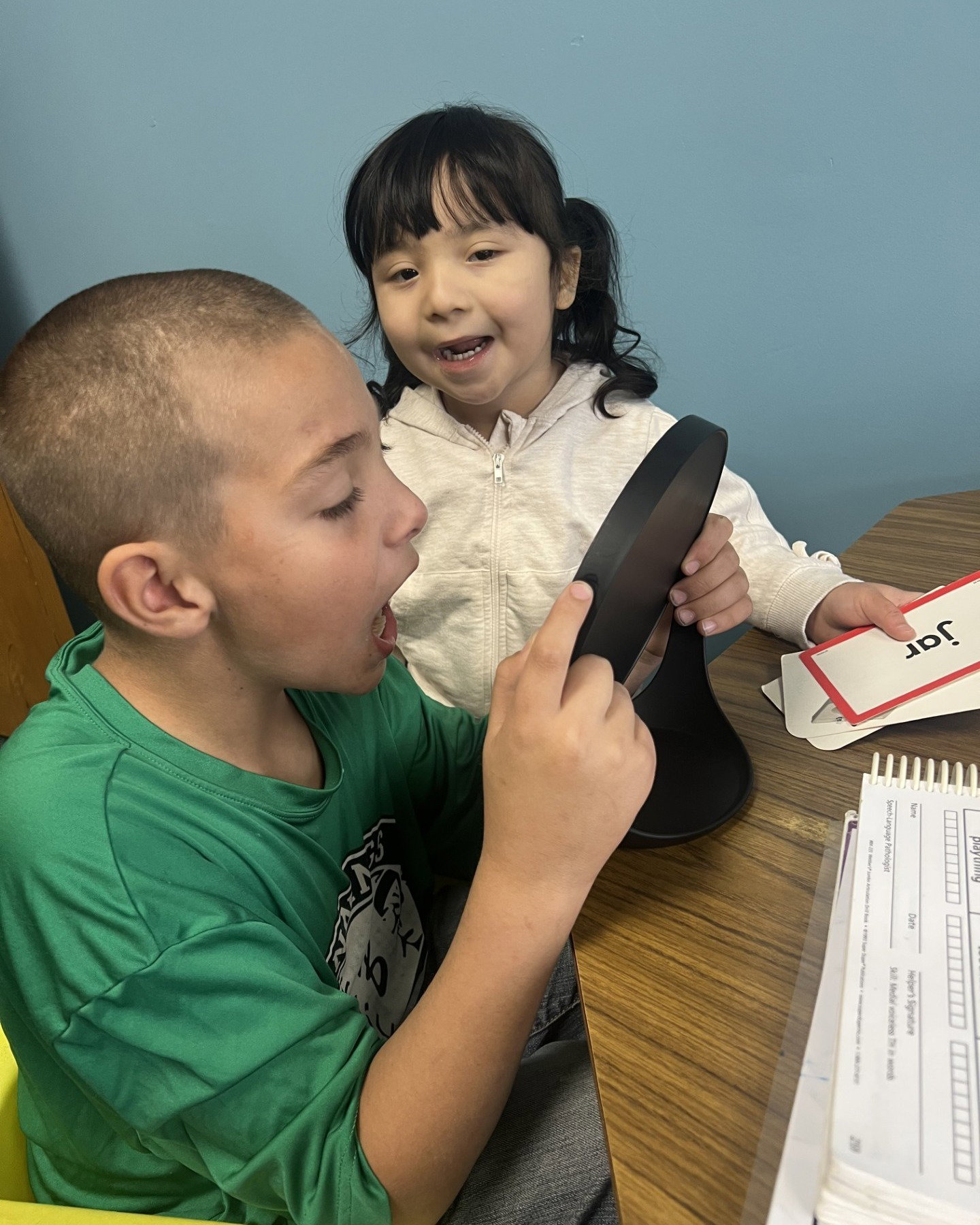
We provide a variety of therapy techniques to address oral motor dysfunction, apraxia, fluency, receptive and expressive language, social pragmatics, and feeding and swallowing difficulties, to help your child improve overall communication and/or feeding development.
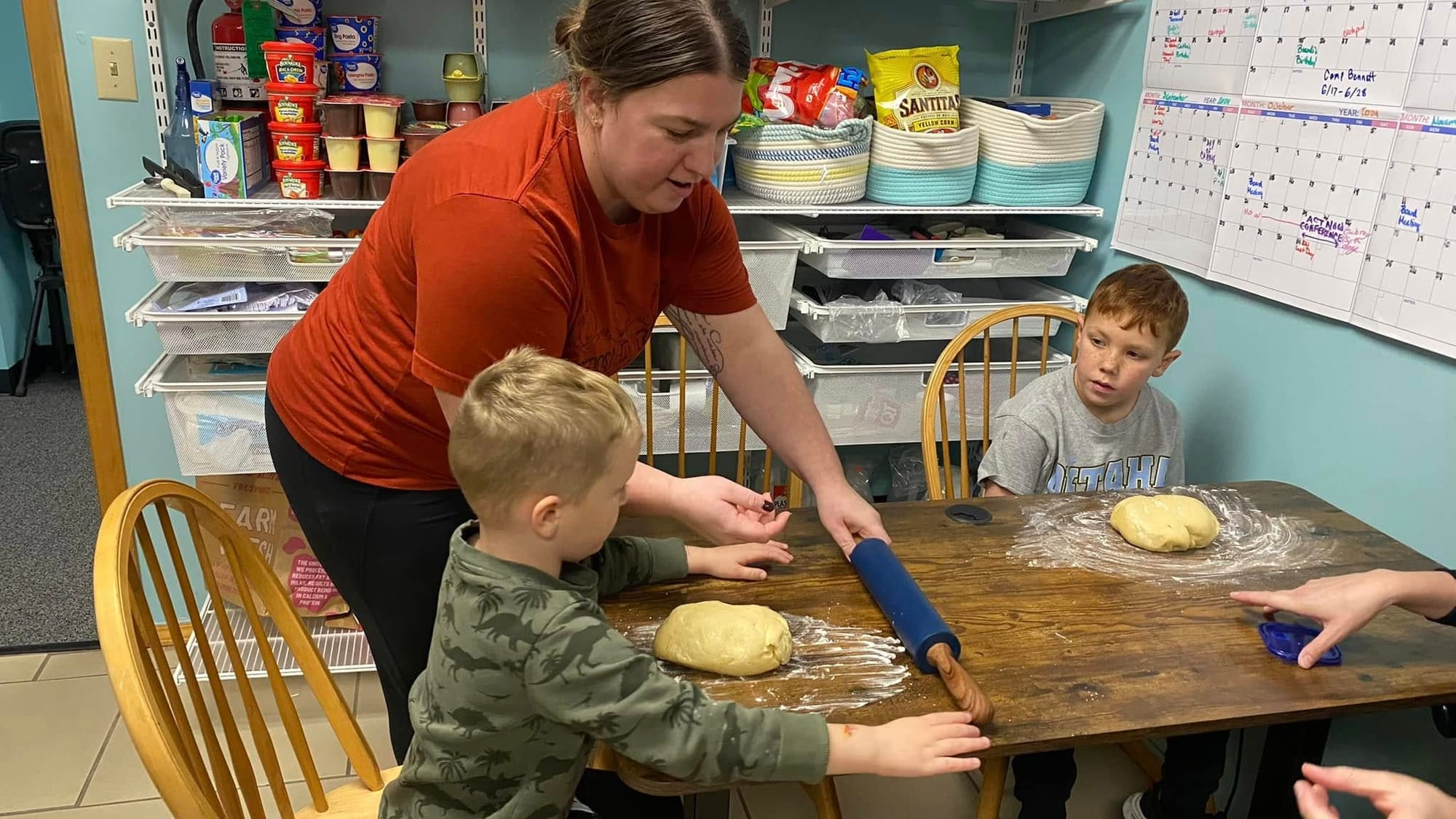
Meet Amilia
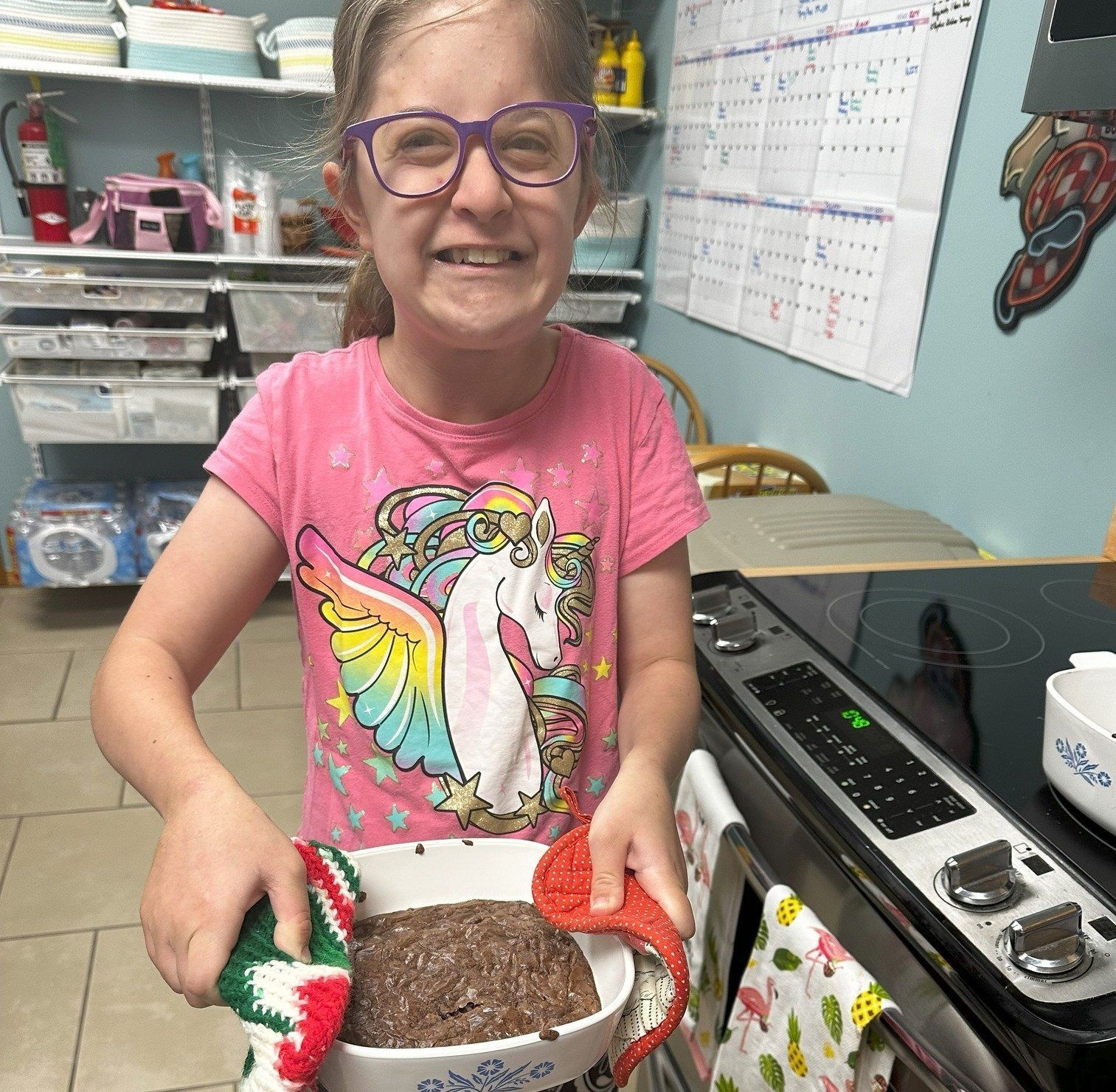
At age 1 year was not crawling due to her medical condition which was affecting her fine motor, speech and physical abilities. In this photo, at age 4, Amilia is finially hitting her milestones as she creates a delicious pizza for her twin sister.
Life-changing to life-saving pediatic therapy happens here.
Life-changing to life-saving pediatic therapy happens here.
Board Members
Diane Timmons
President
Connie Dupont
Vice President
Kyle Taylor
Treasurer
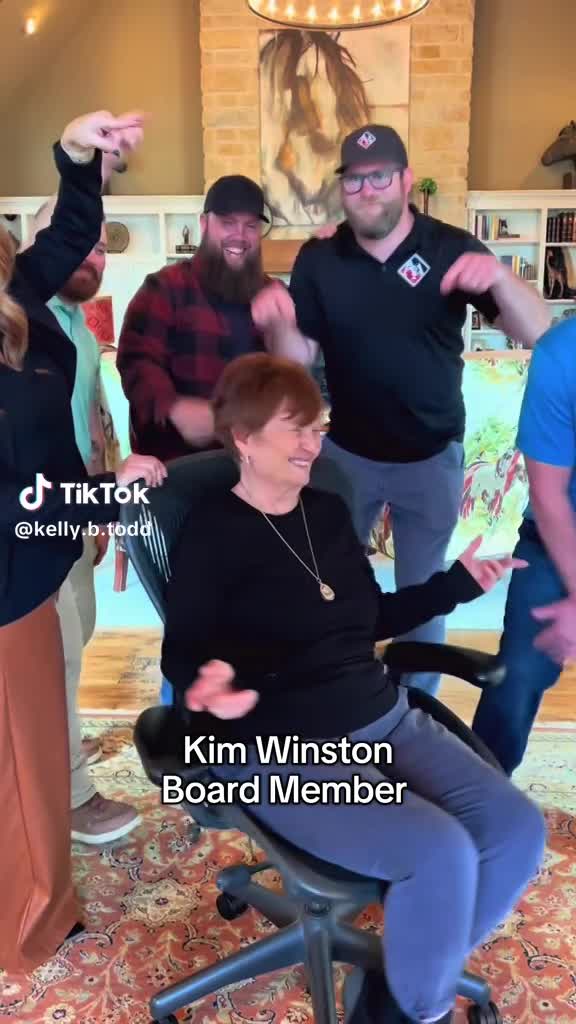
Kim Winston
Board Member
Cole Caughern
Board Member
Jasmin Harris, LNHA
Board Member
ADVISORY BOARD
In Loving Memory of Betty Honea
Champion Since 1975
Mitzi Reasor
Champion Since 2008
Gloria Farmer
Champion Since 2016
Jordan Kelley
Champion Since 2025
Gracie Watson-Battles
Champion Since 2025
"IT'S ALL for the KIDS!"
$1000
WE NEVER CHARGE FOR OUR SERVICES
Our team of dedicated professionals work tirelessly to deliver high-quality, personalized care to each child we serve, addressing their unique needs and fostering their development. By partnering with families and the local community, we aim to break down barriers and build a more inclusive society that values and supports all children.
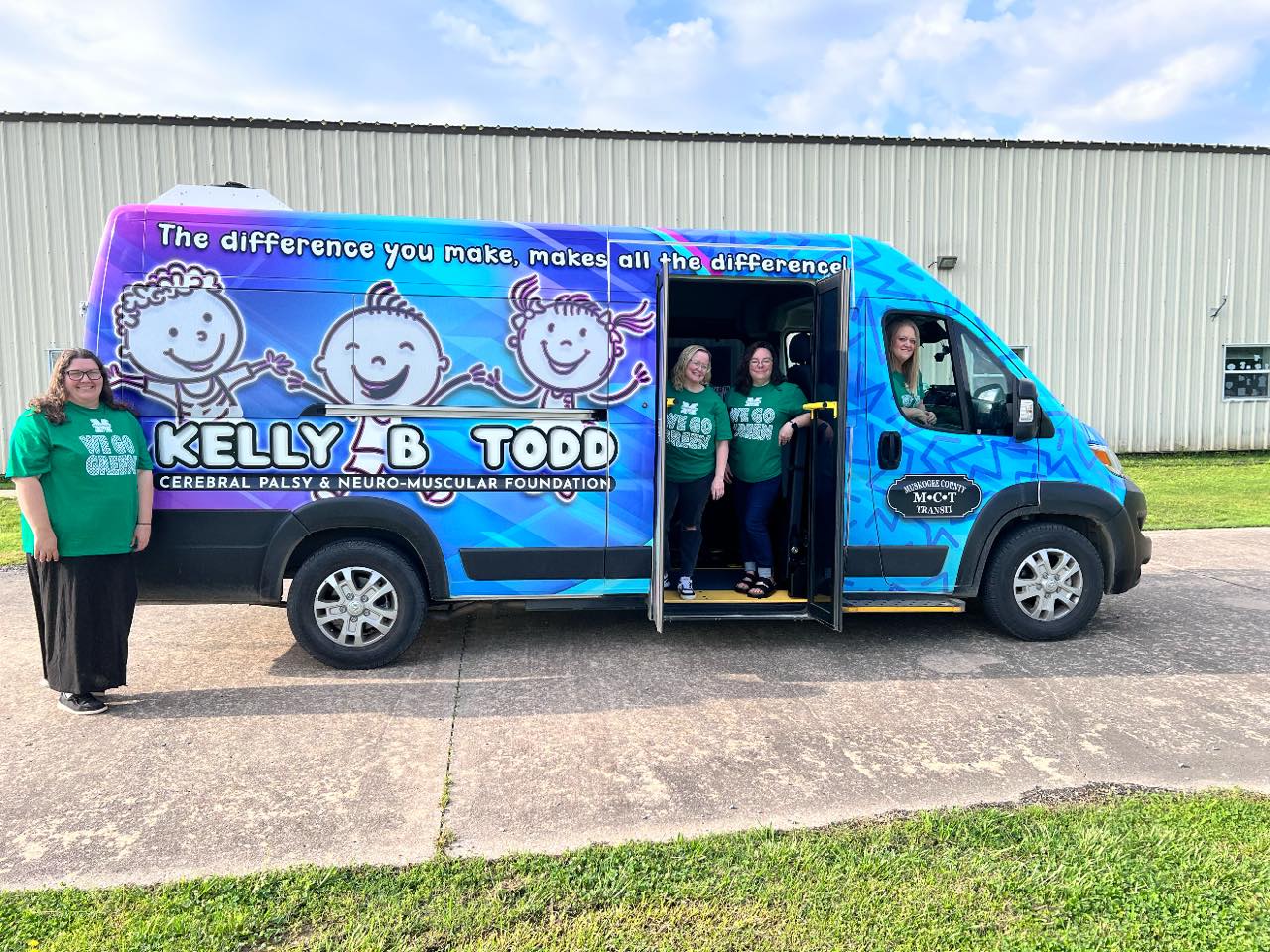
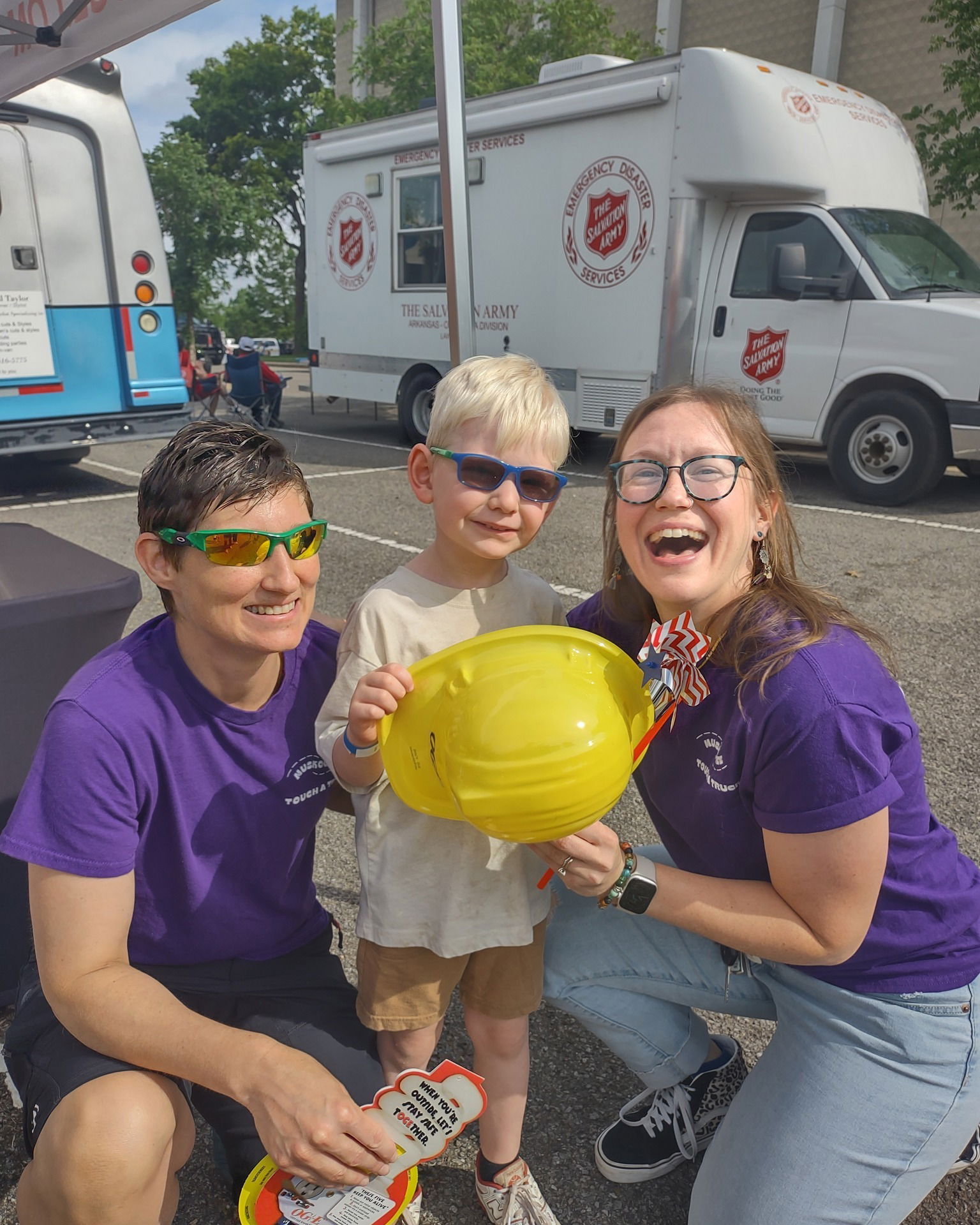
Muskogee County Transit
Community Partnership
APPROXIMATELY 1 IN 6 CHILDREN HAS A DEVELOPMENTAL DISABILITY
WE ARE
Kelly B Todd
Kelly B Todd
Established in 1975 as a nonprofit 501c3. Kelly B Todd Cerebral Palsy and Neuro-Muscular Foundation has helped thousands of special needs children throughout Eastern Oklahoma with challenges in motor, communication, and adaptive skills.
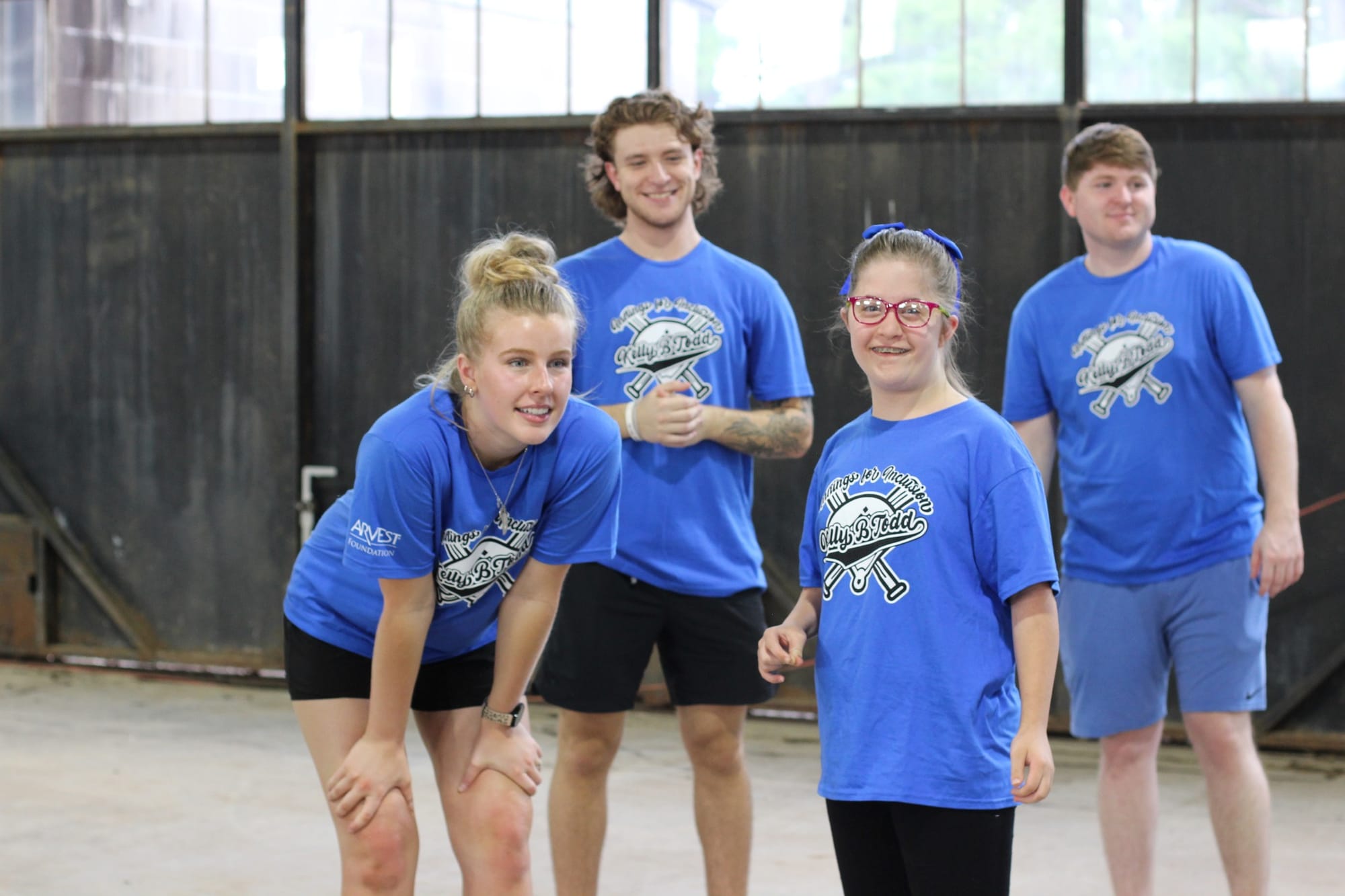
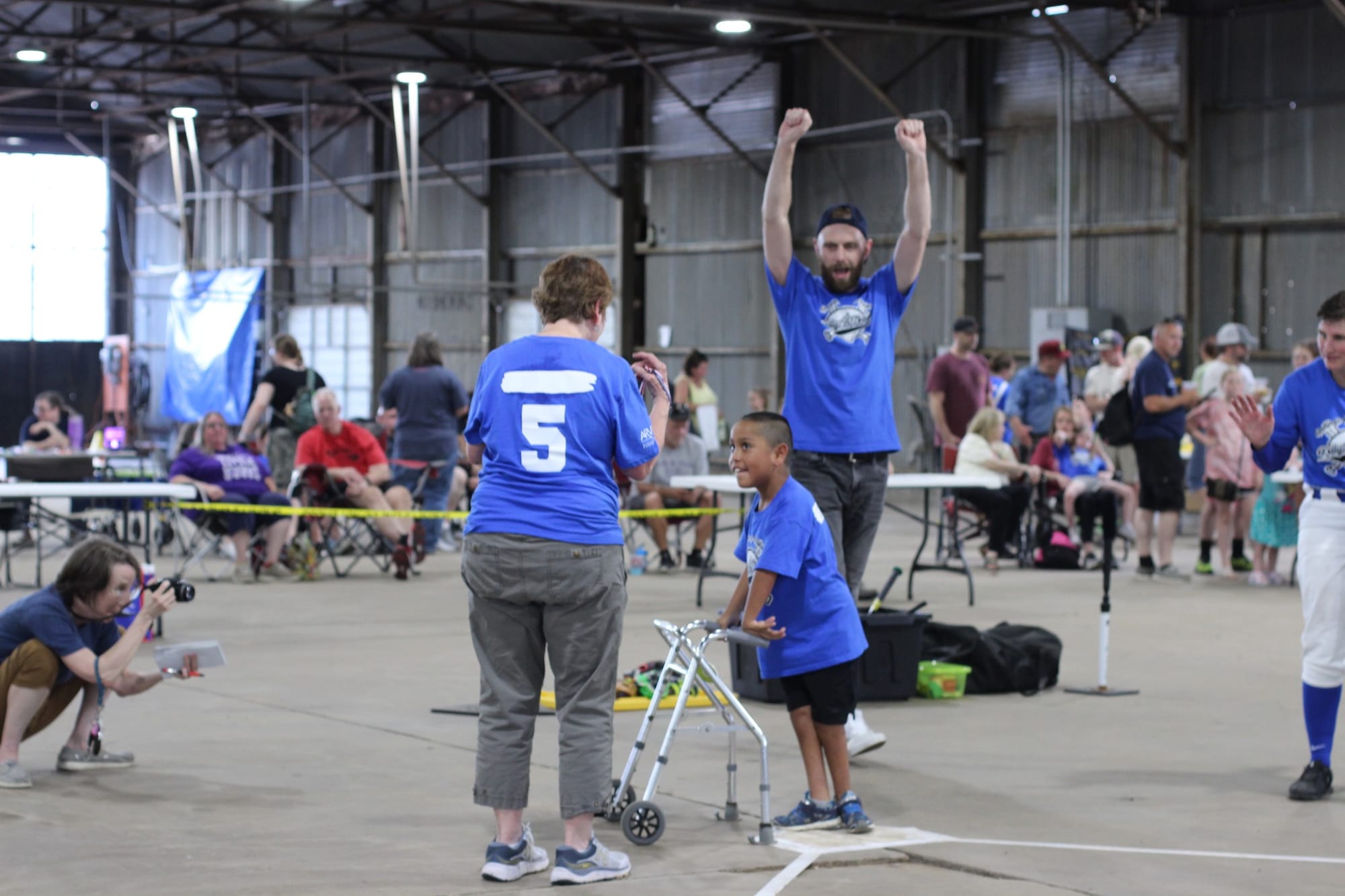
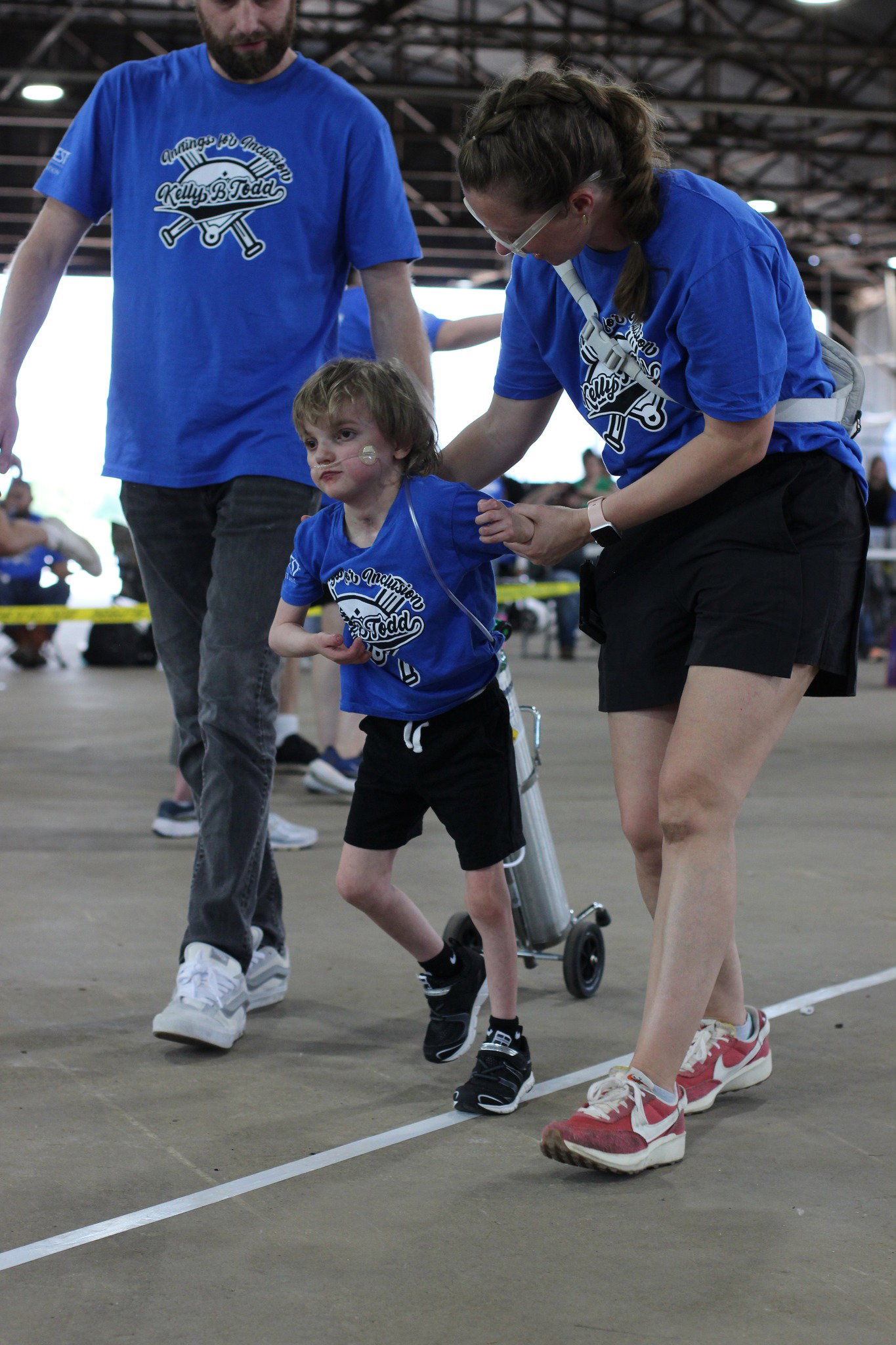
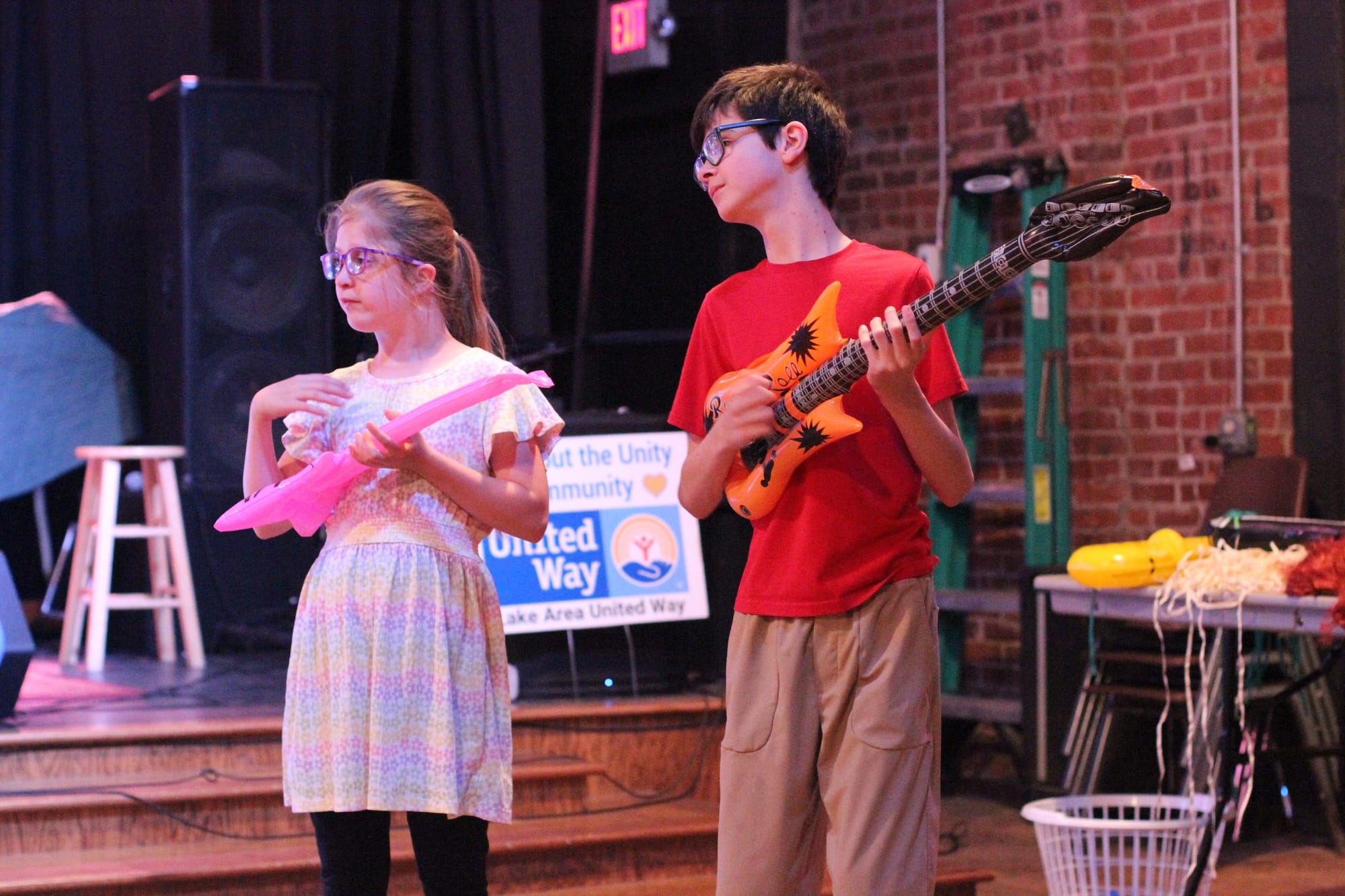
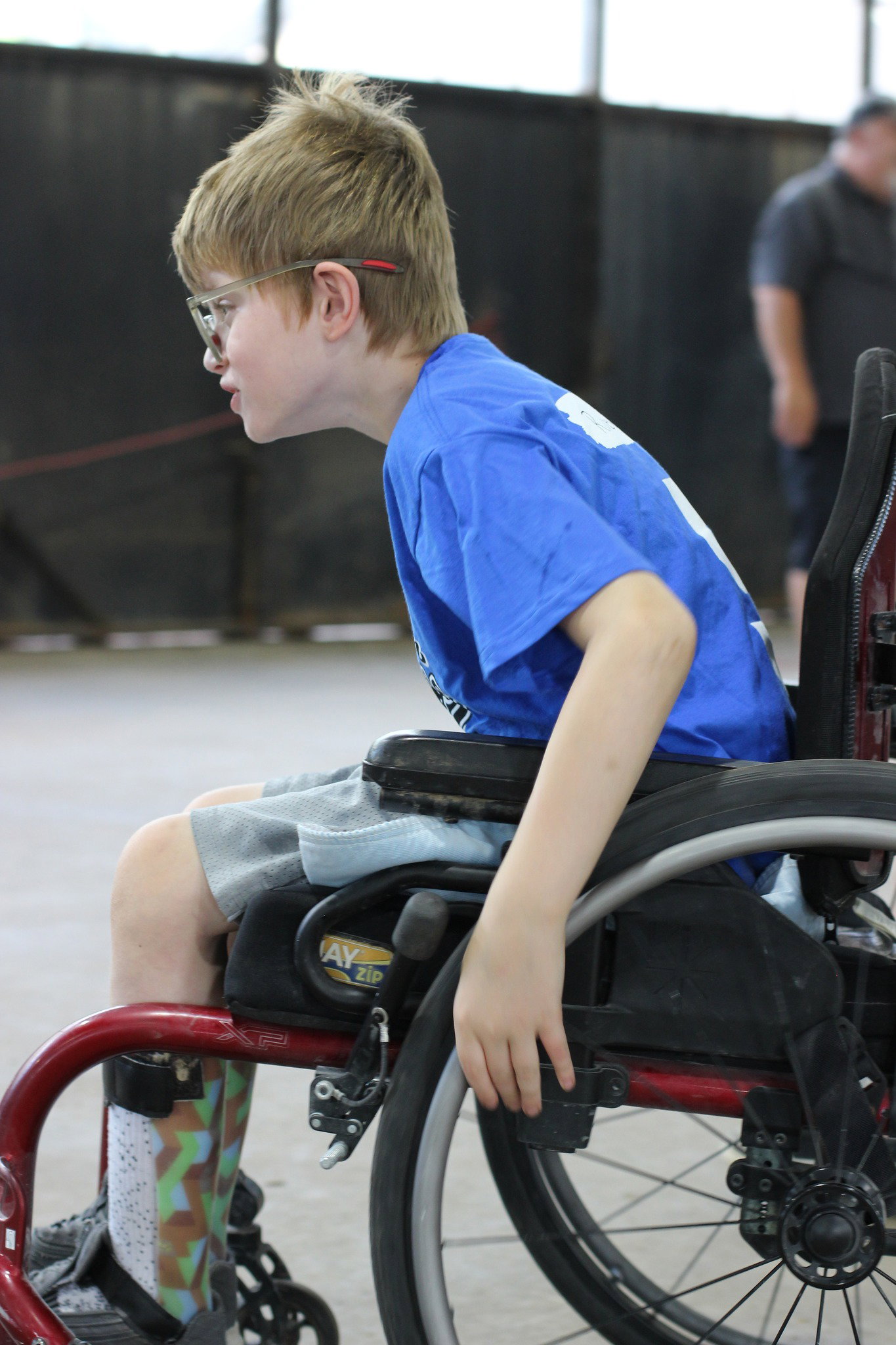
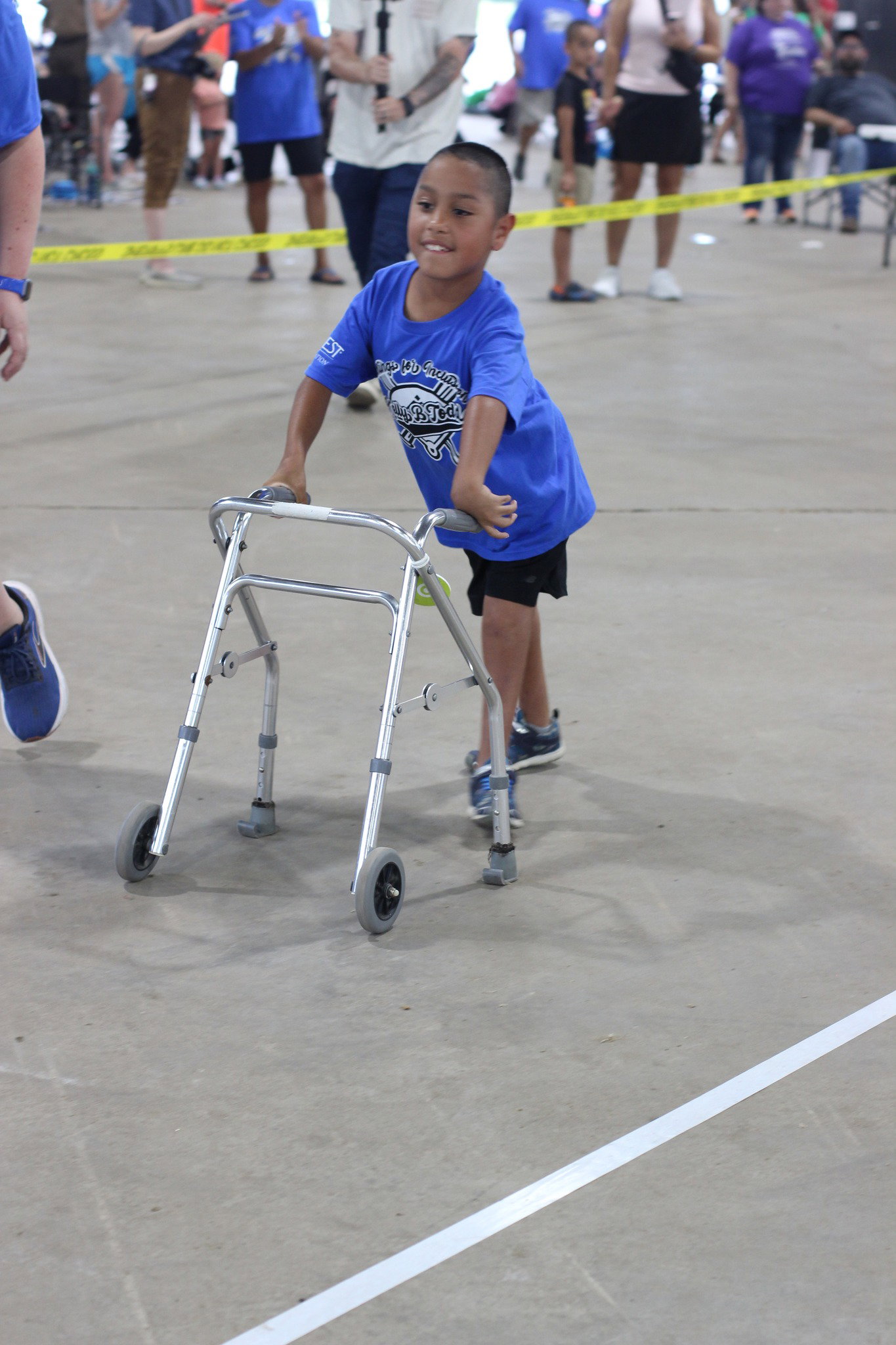
We create opportunities for all children to have inclusion into childhood activities that are usually beyond their reach due to their physical and intellectual capacity or social acceptance.
We create opportunities for all children to have inclusion into childhood activities that are usually beyond their reach due to their physical and intellectual capacity or social acceptance.
TAKE ACTION NOW
DON'T WAIT ANY LONGER
SHOW SOME LOVE
DONATE - VOLUNTEER - SPONSOR
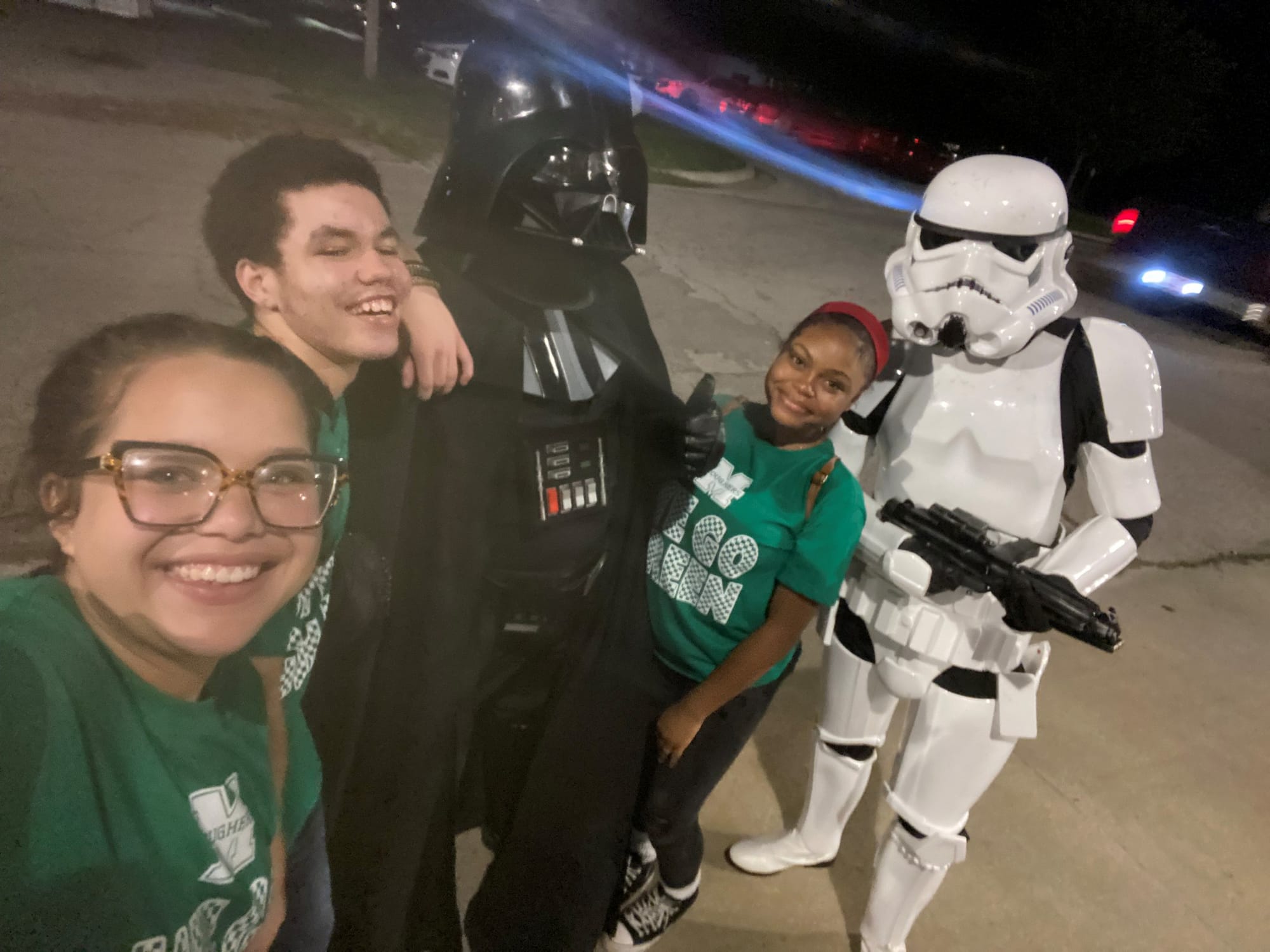
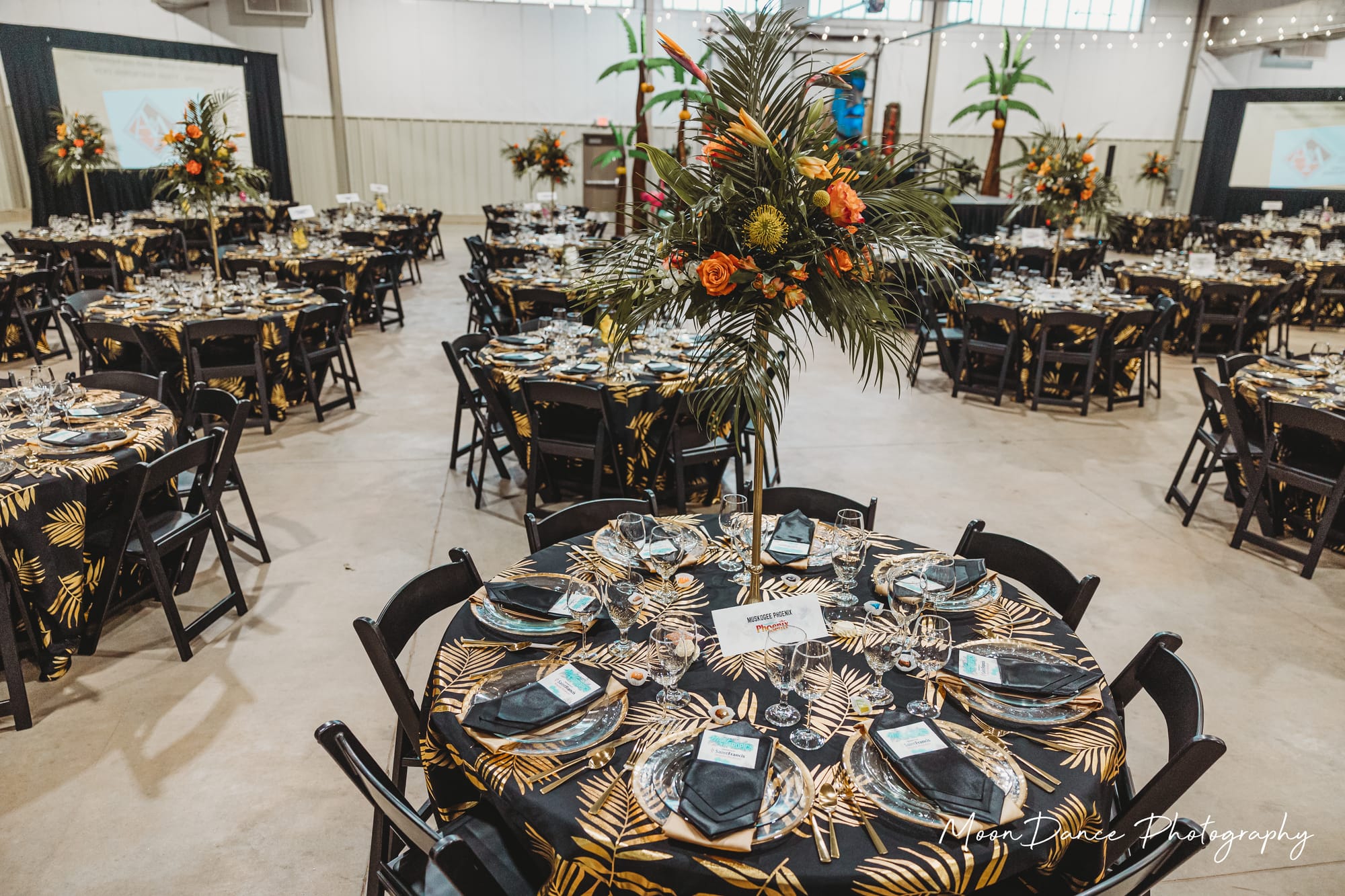
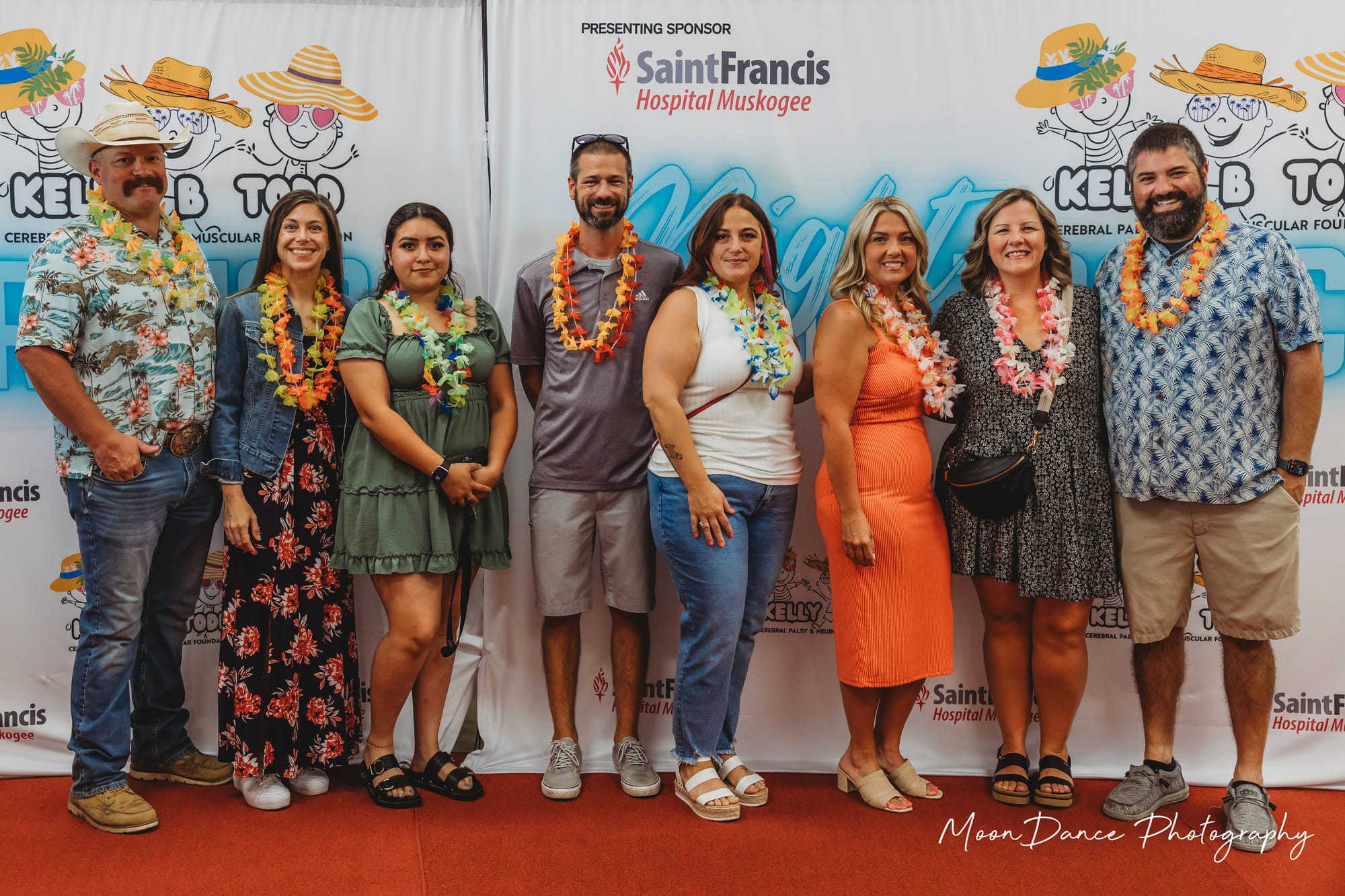
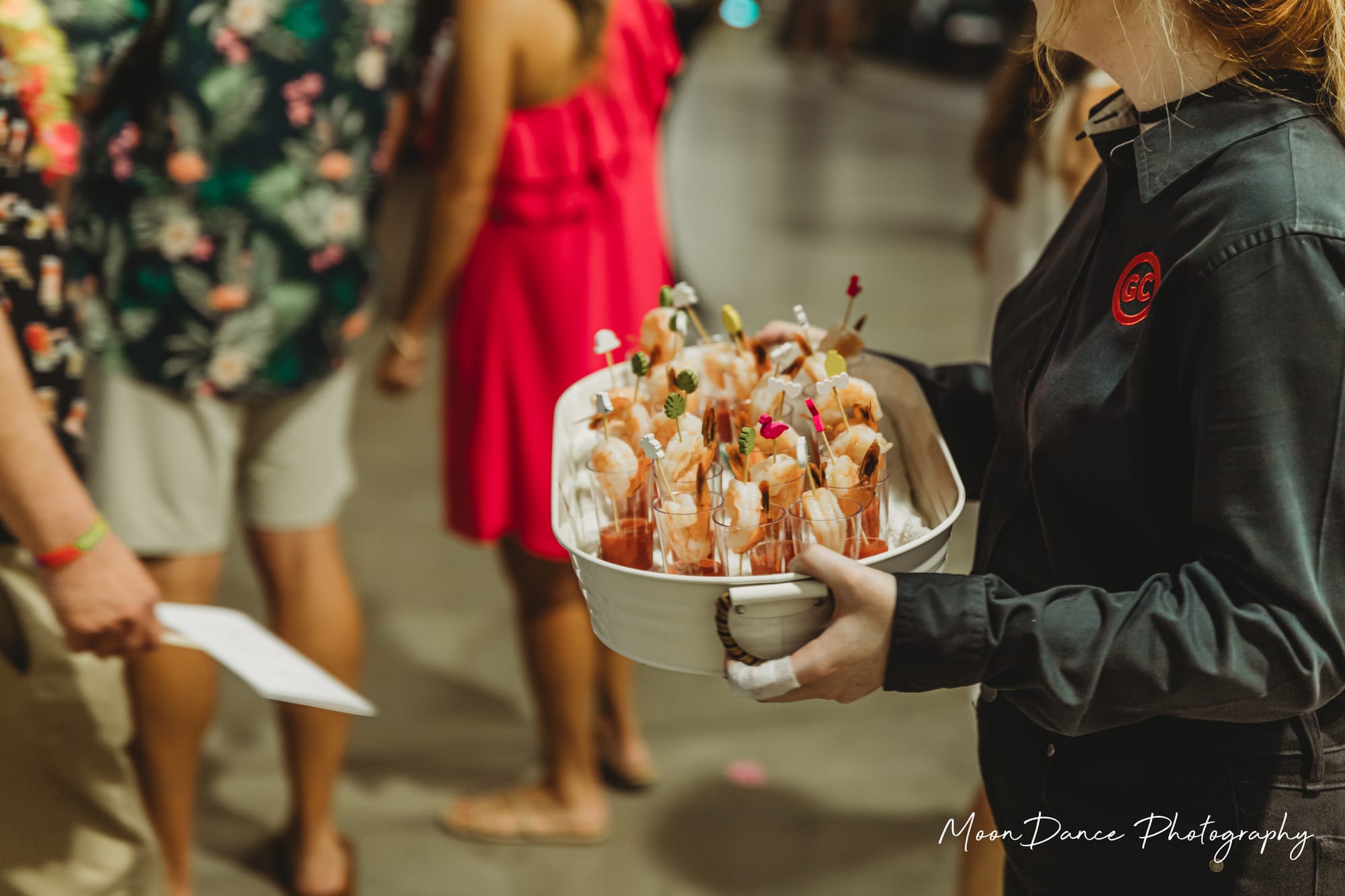
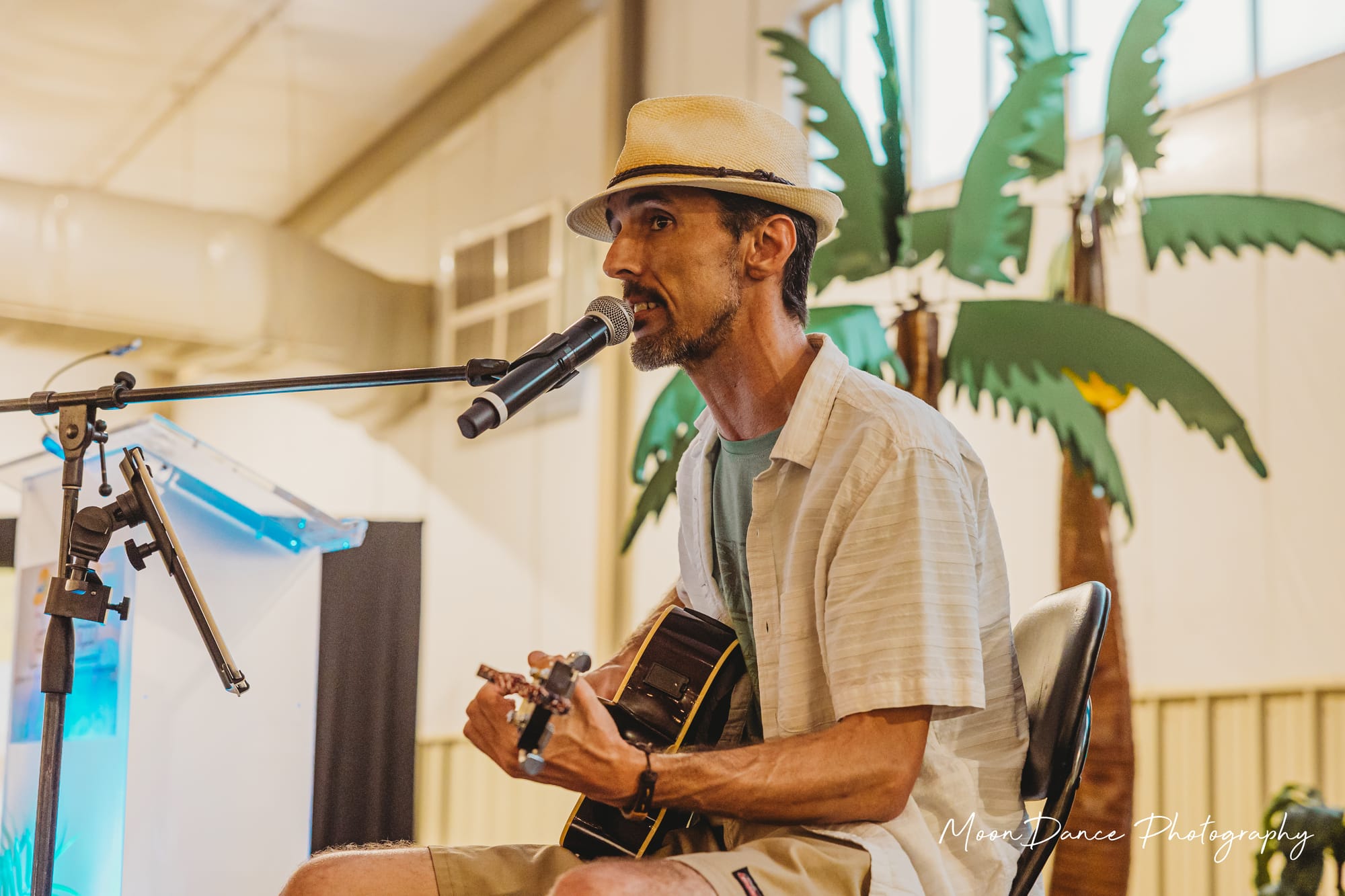
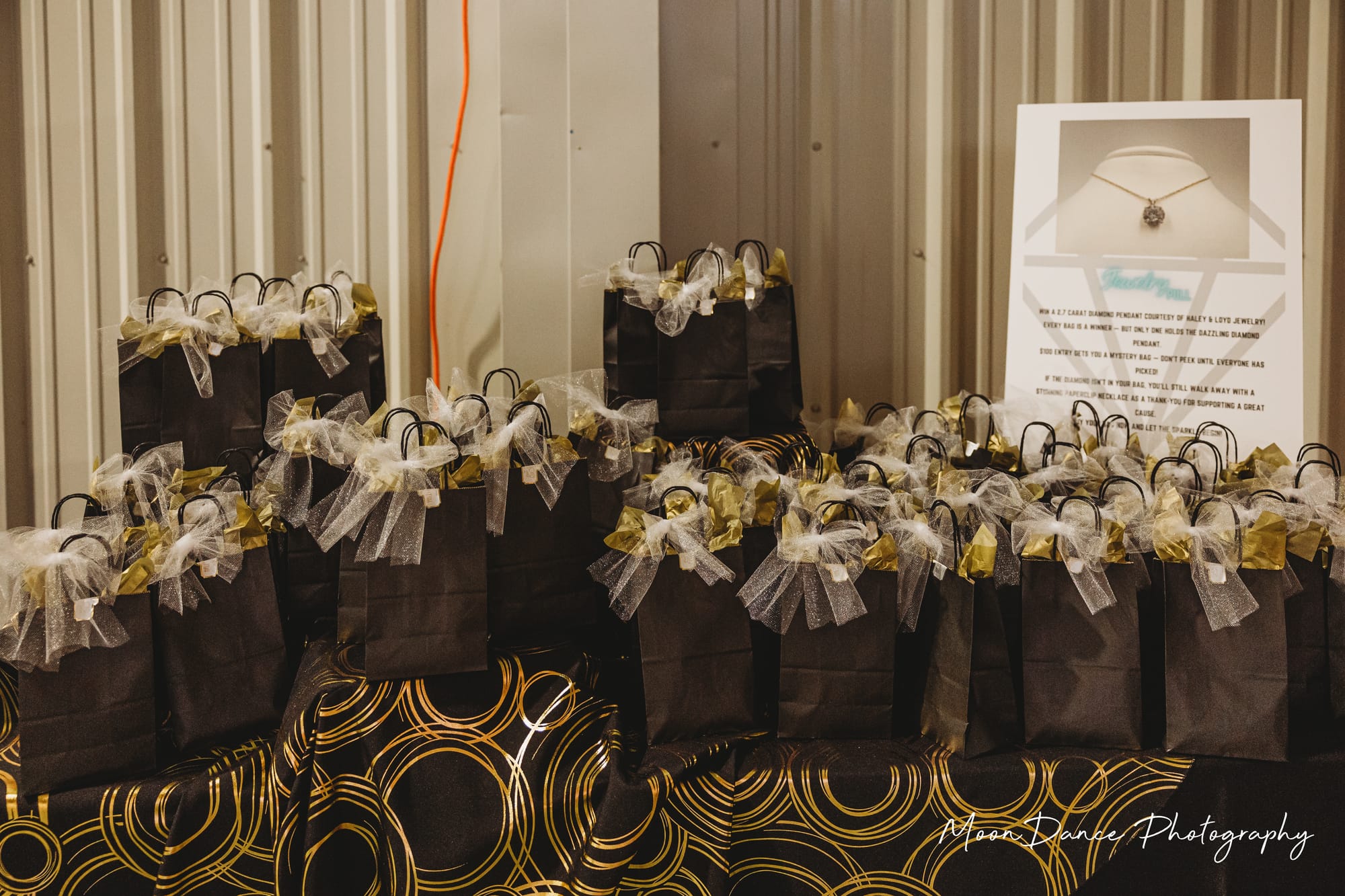
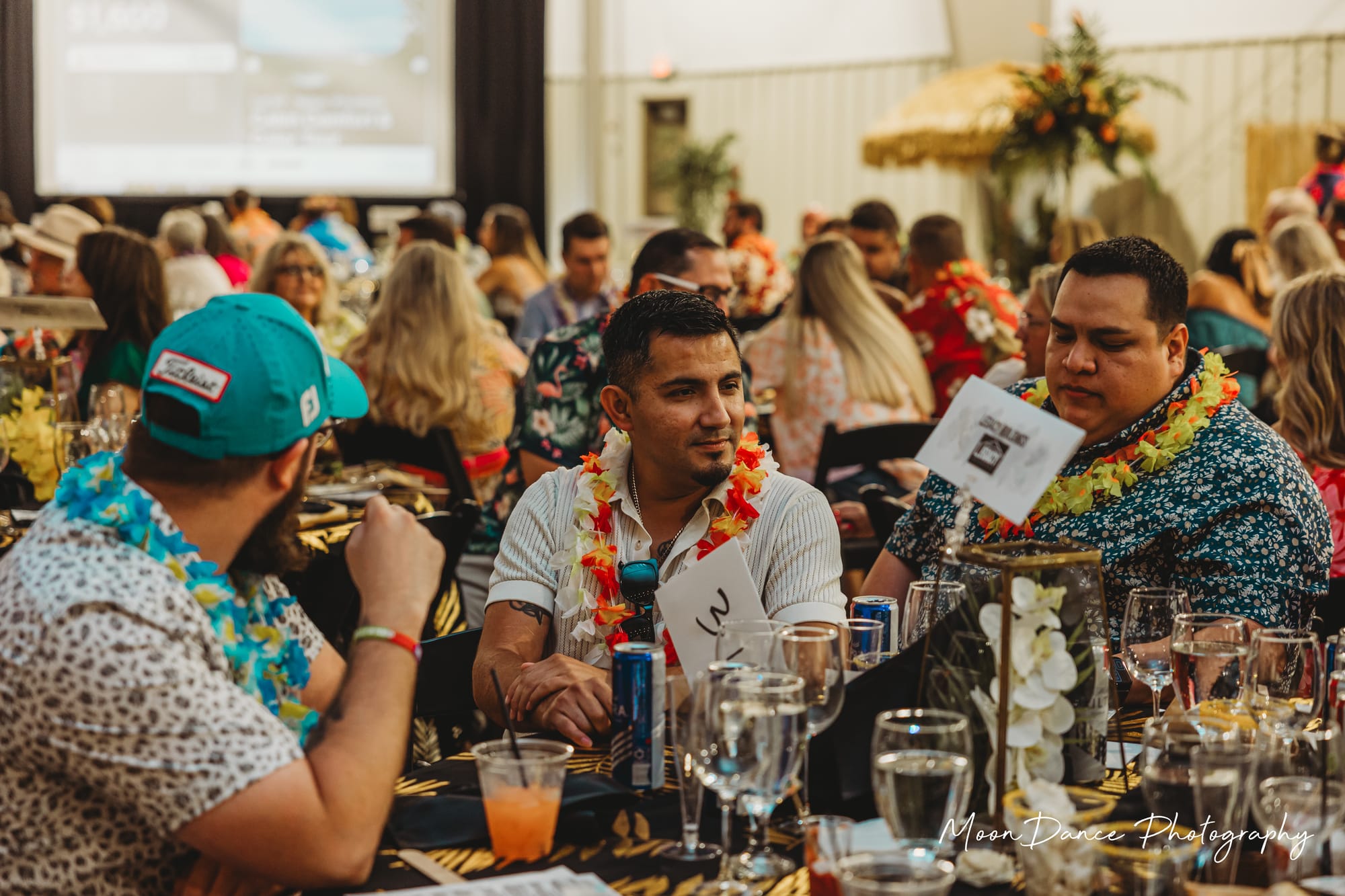
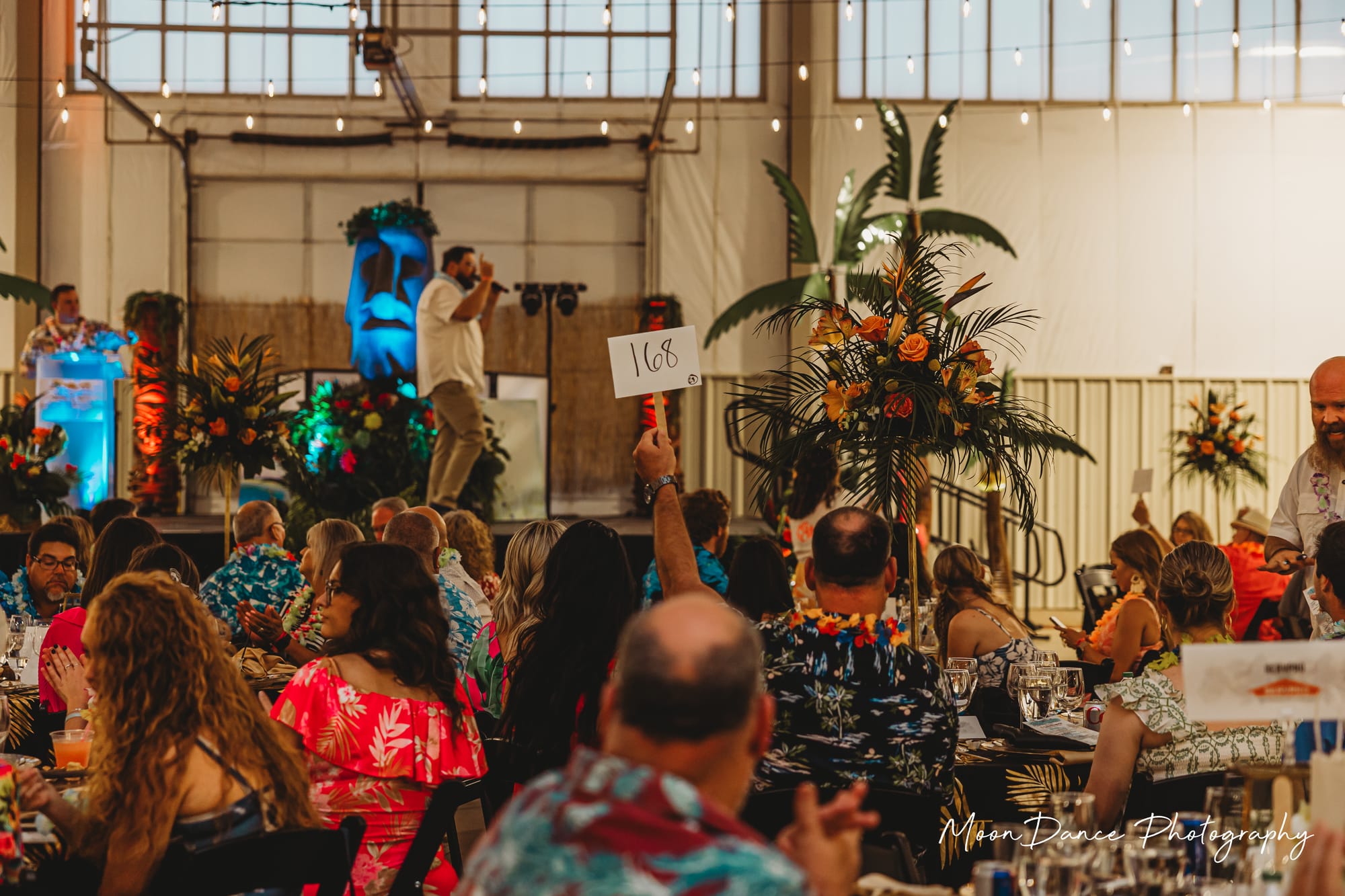
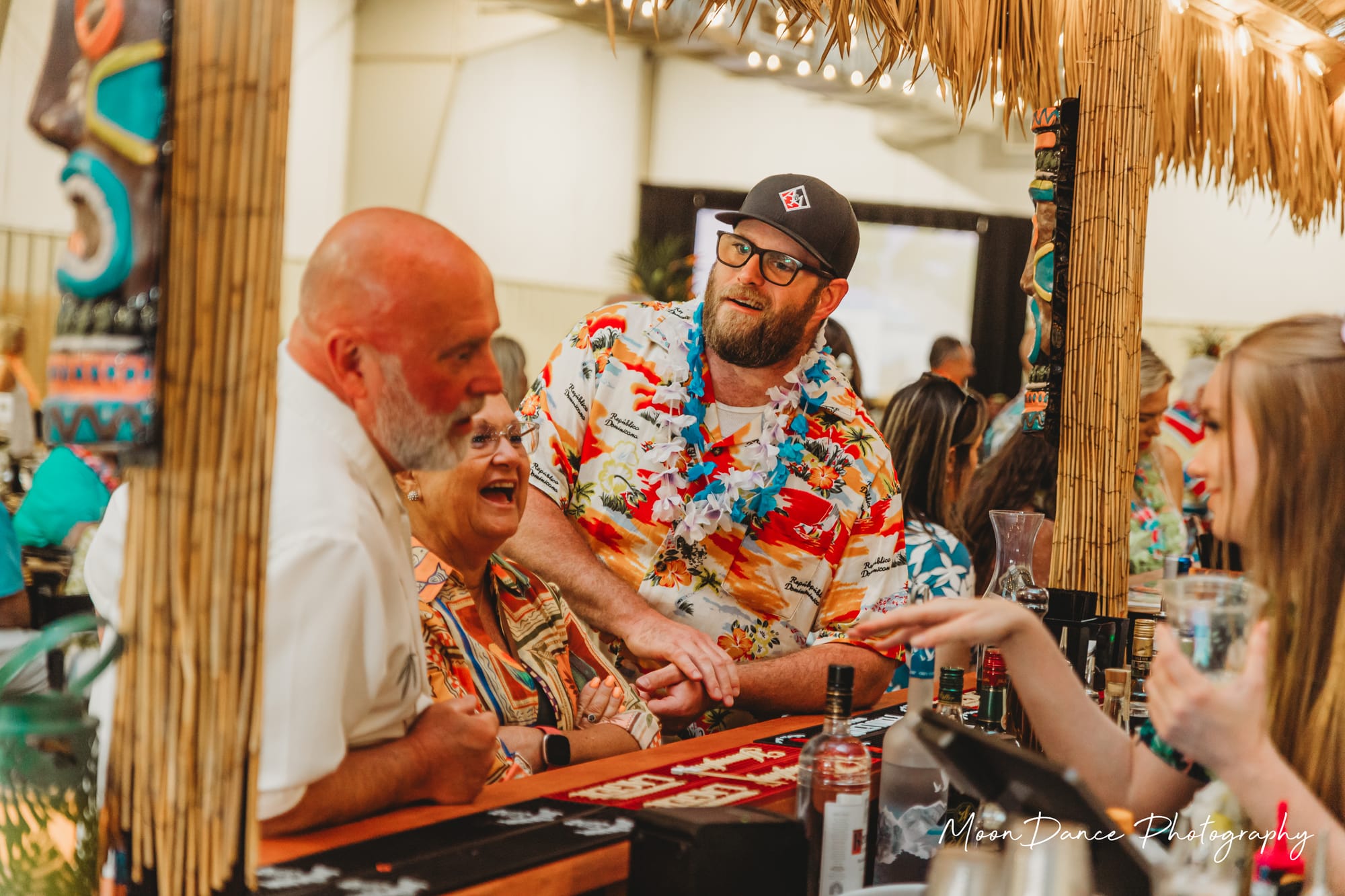
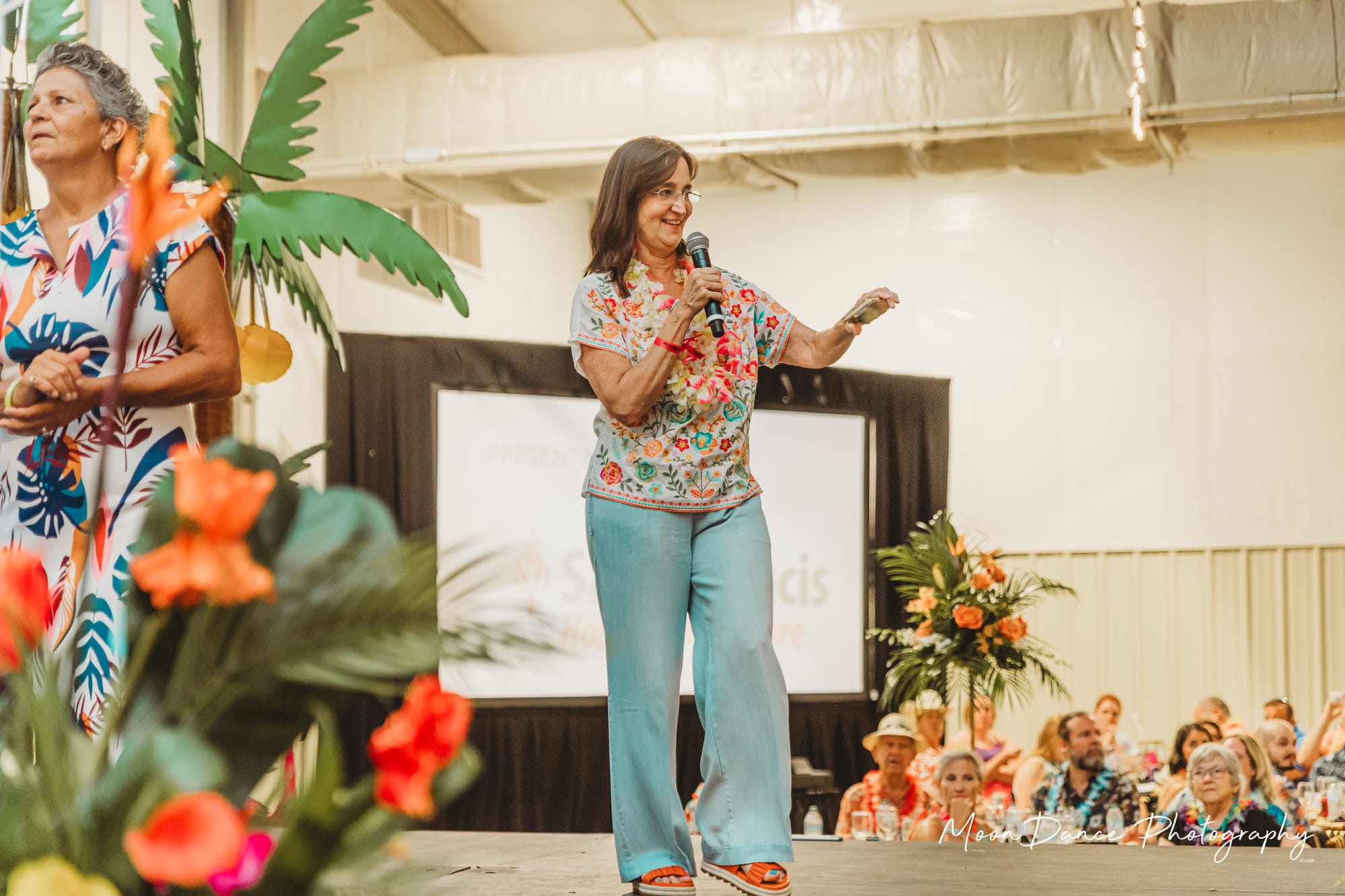
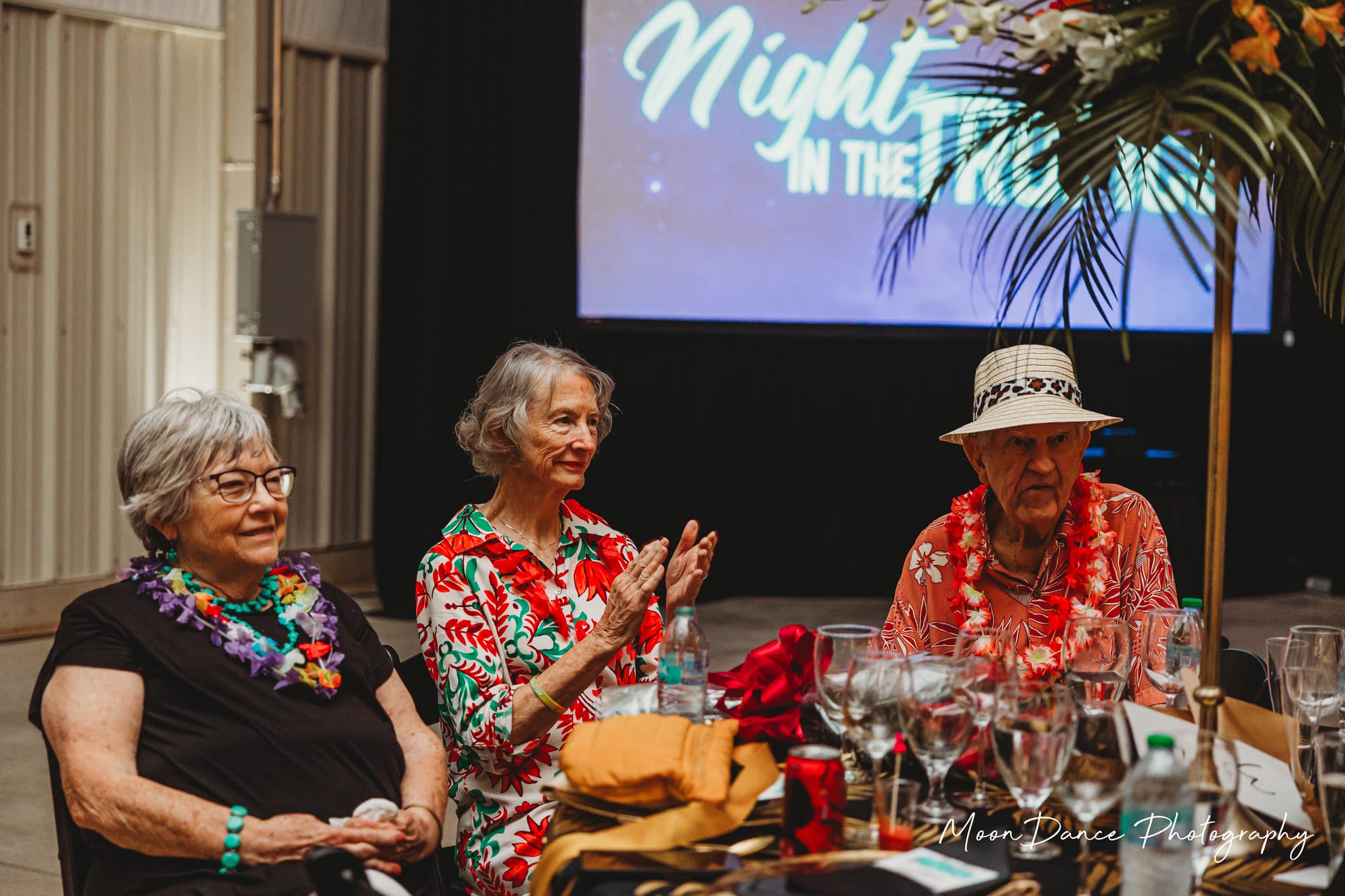
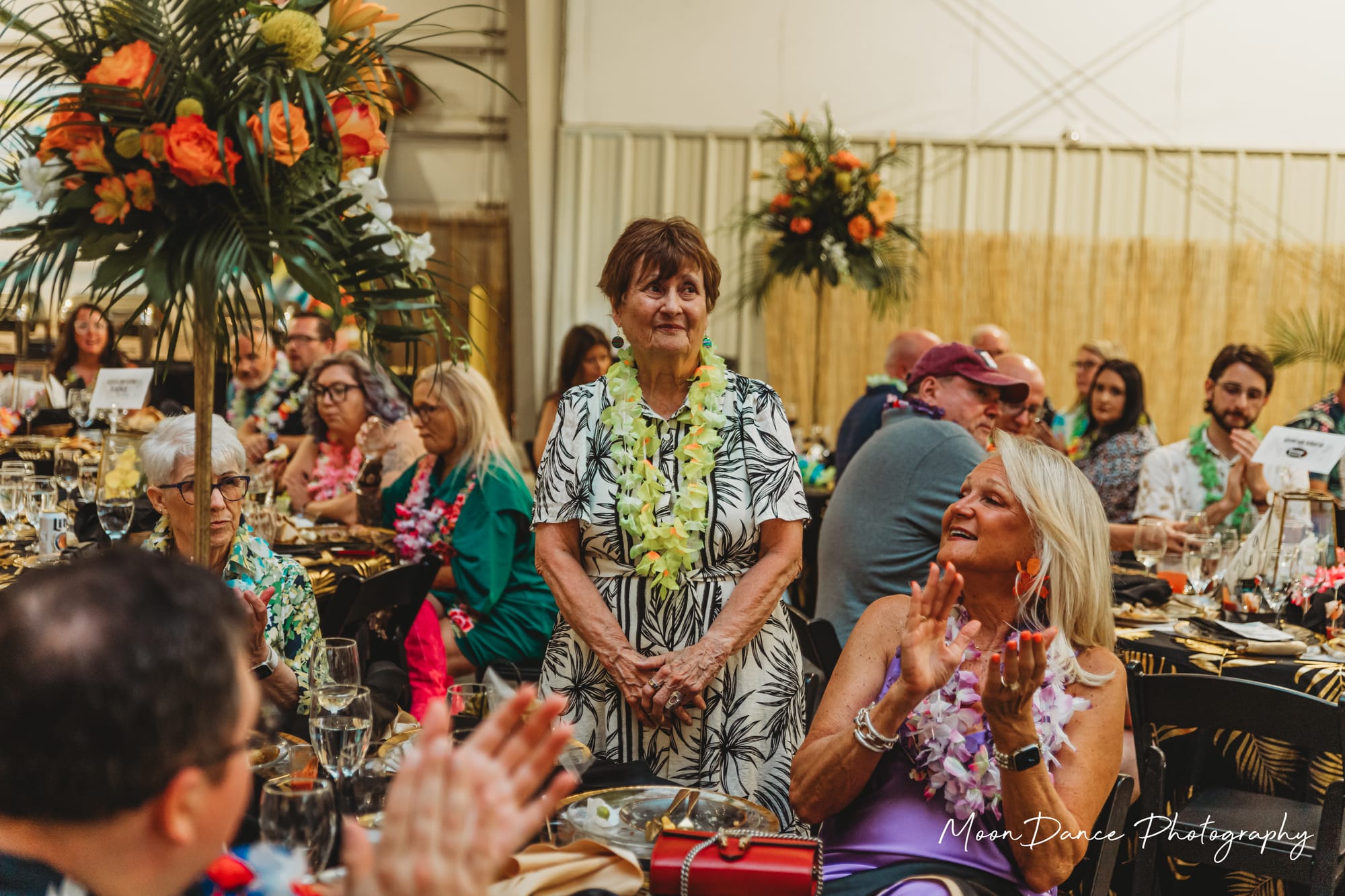
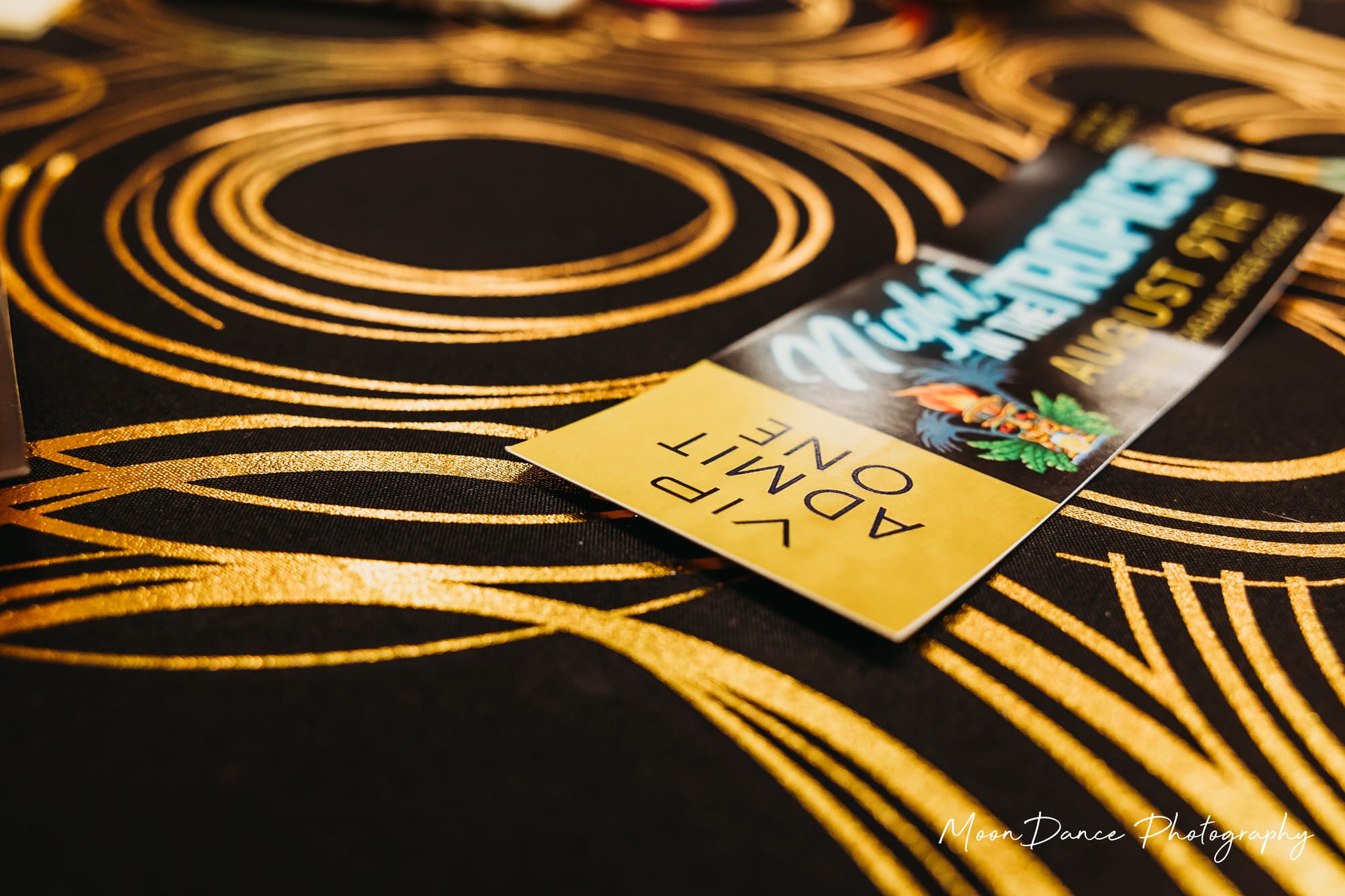
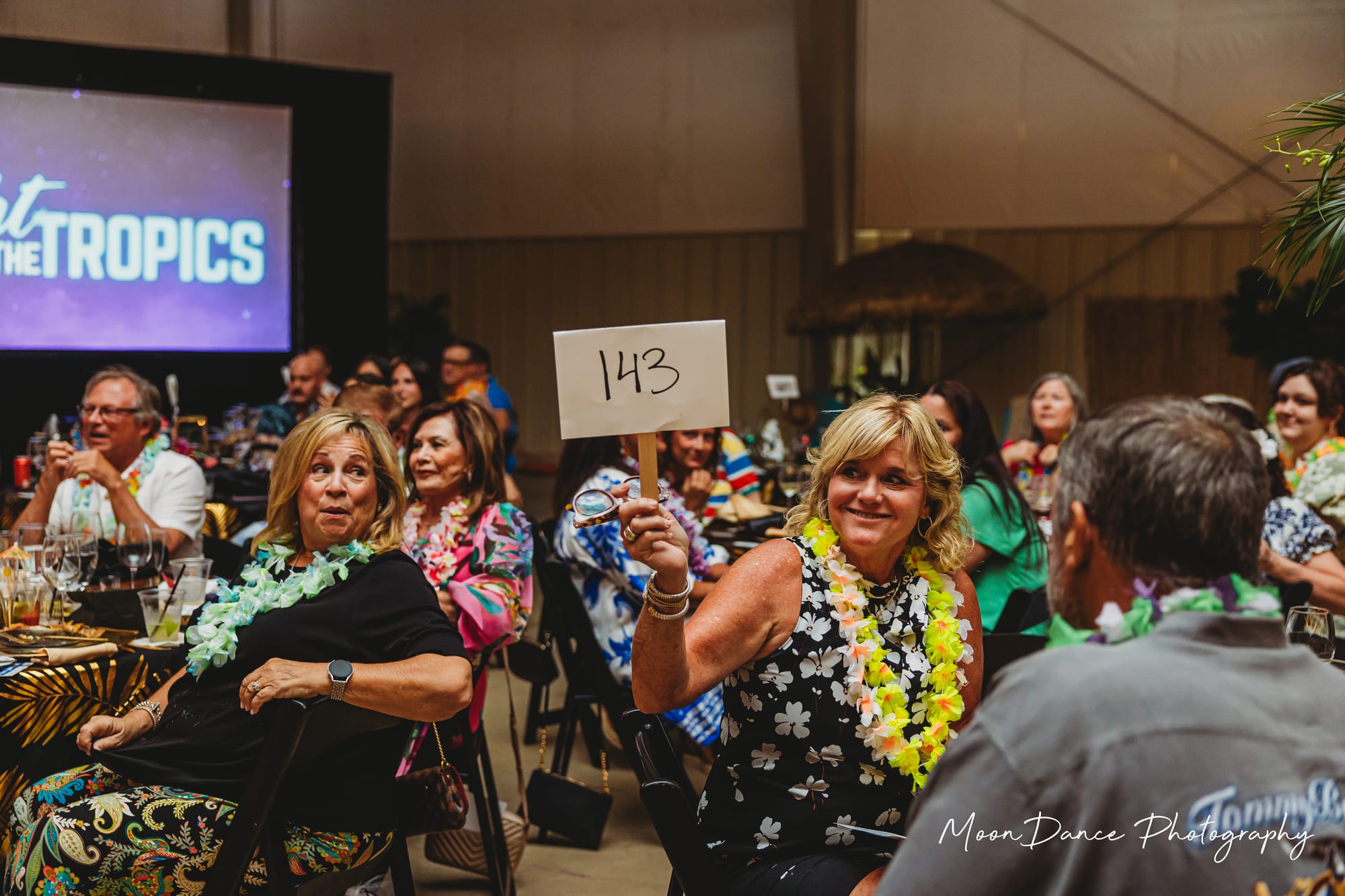
2025 NIGHT IN THE TROPICS

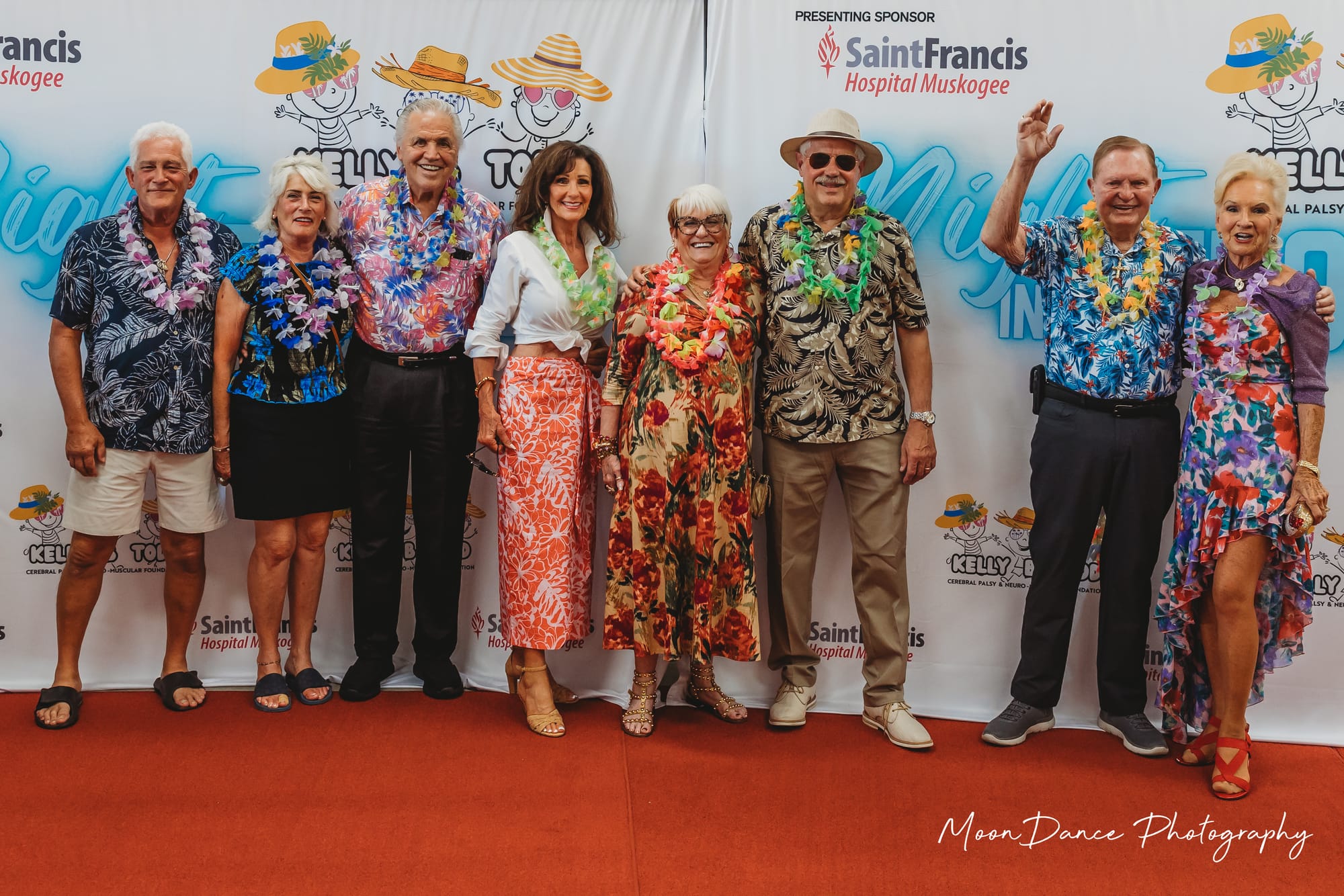
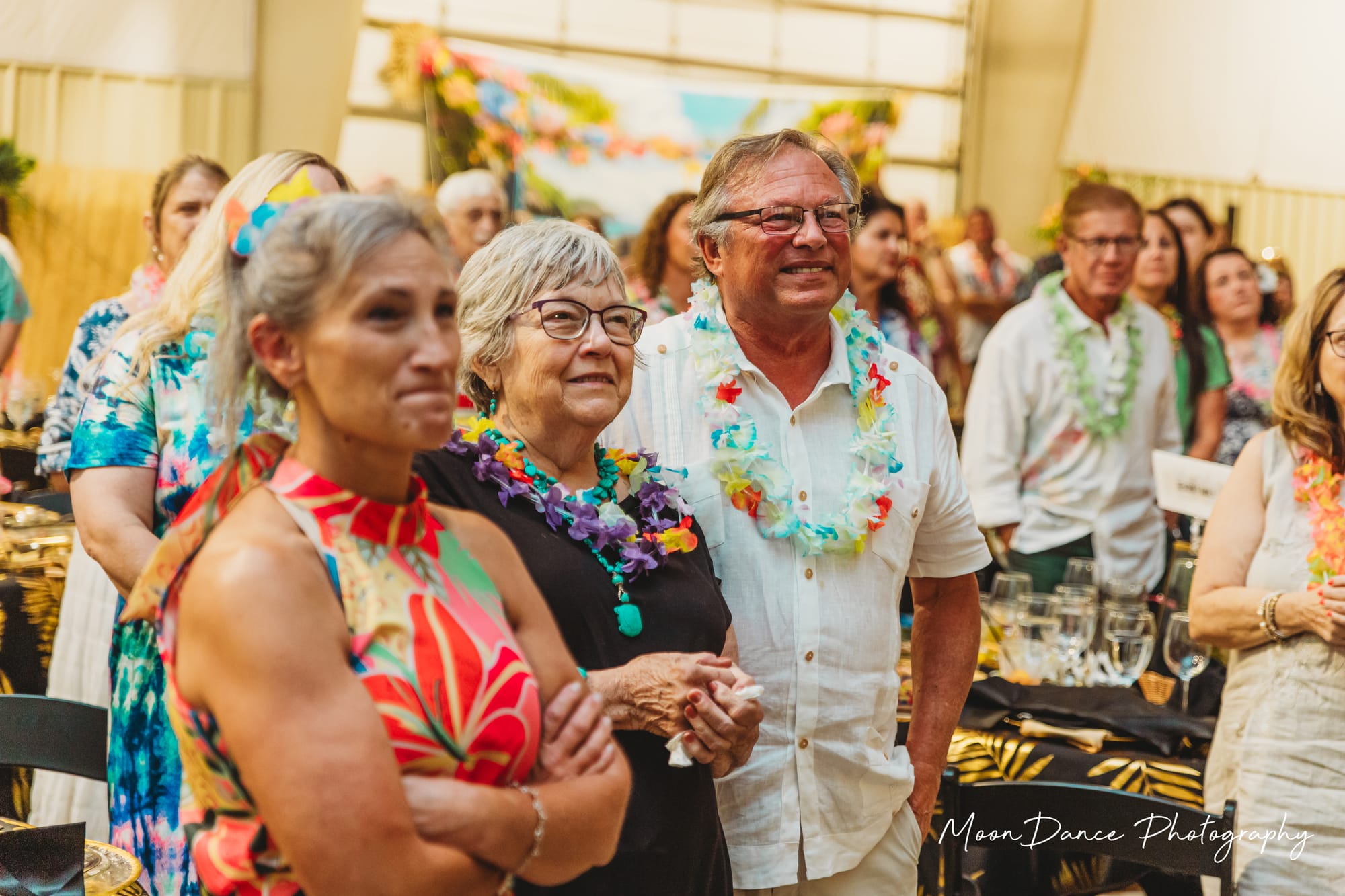
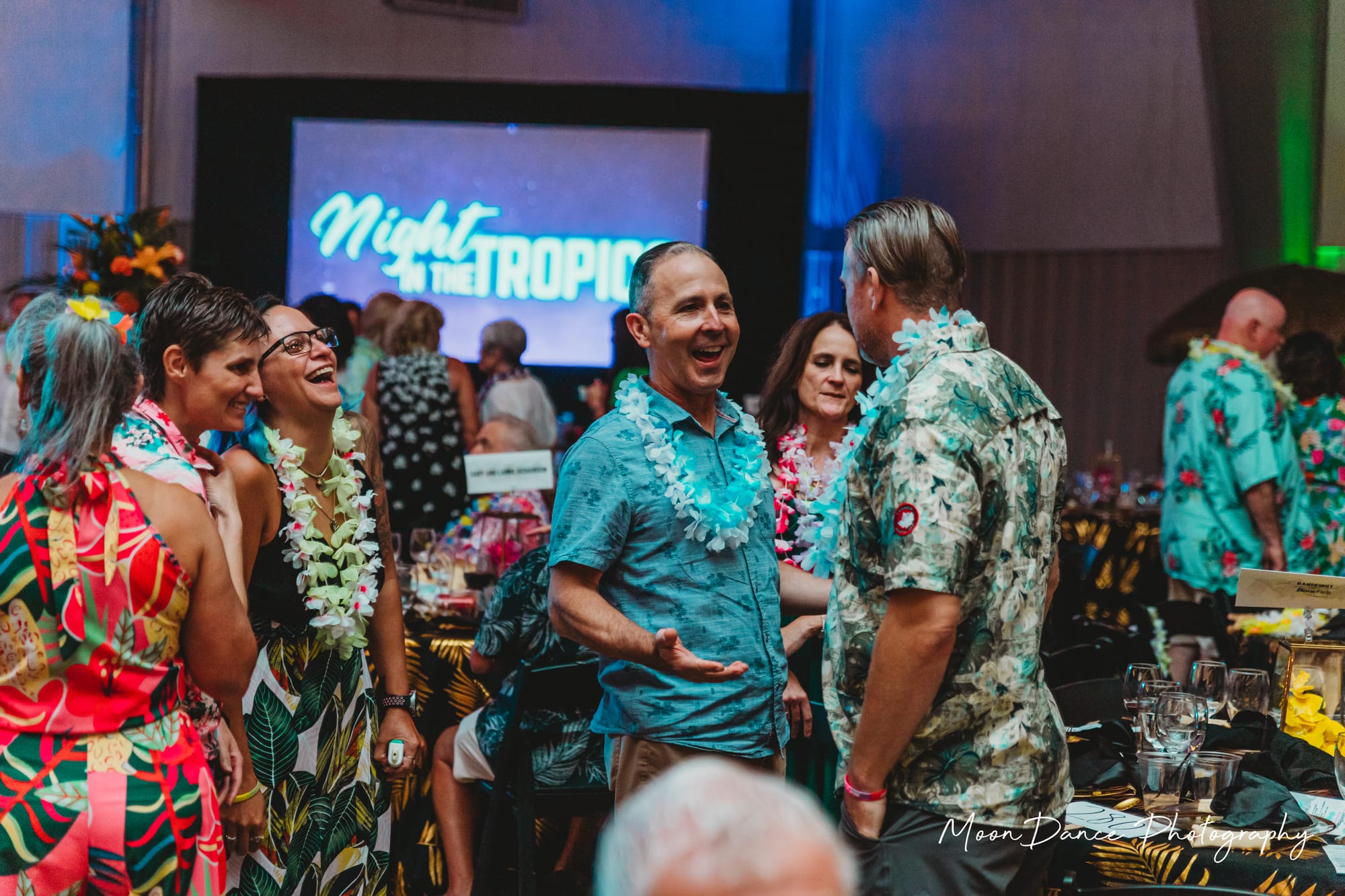
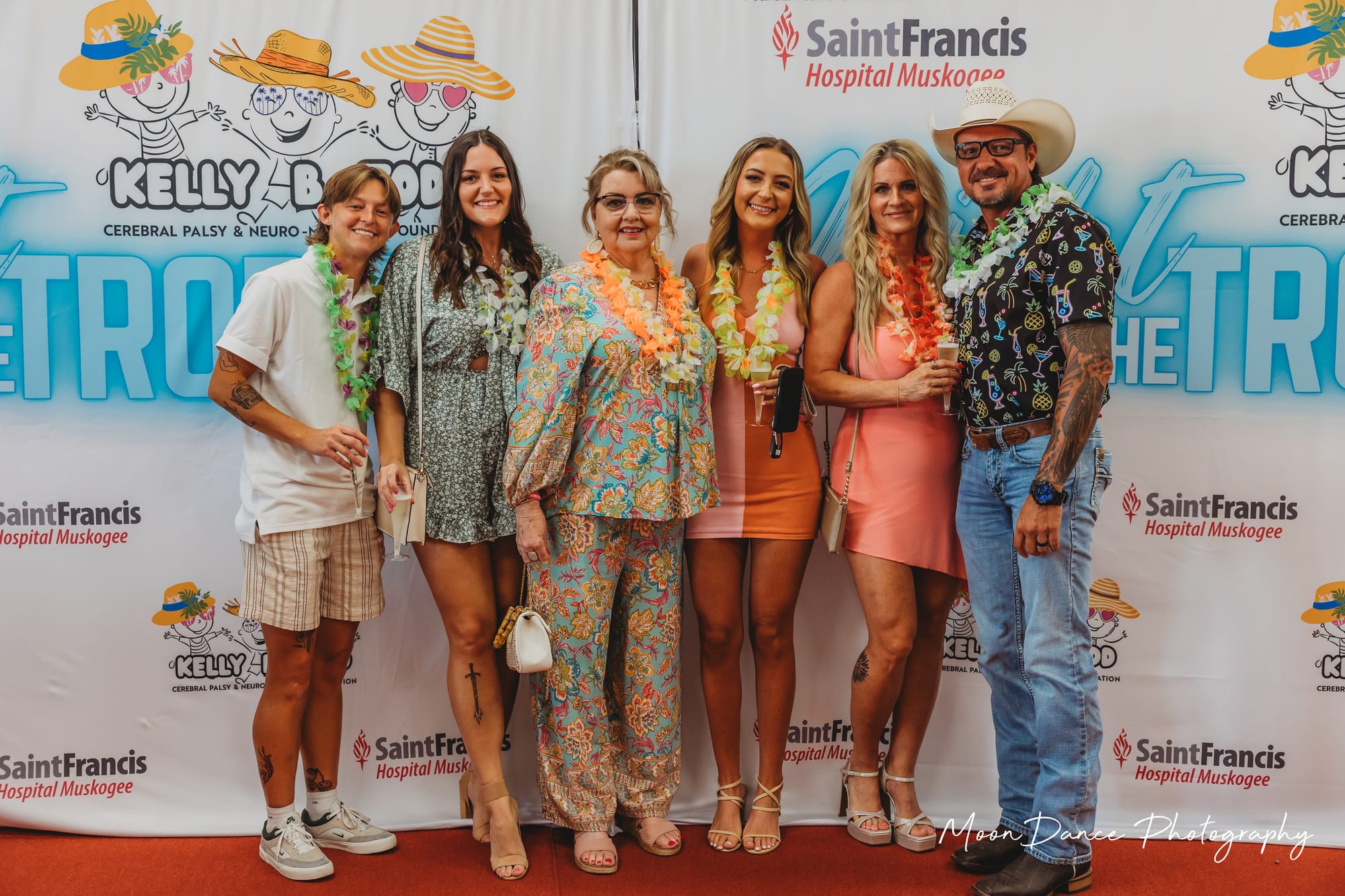
Kelly B Todd
Founder
Pat Pack
Co-Founder
Pat Pack together with Beverly Todd envisioned a treatment center where children with Cerebral Palsy and other developmental delays could receive Physical Therapy. She has been awarded with both the Oklahoma Physical Therapy Chapter’s Founder, and the Soroptimists Woman of Distinction. Pat extended her expertise internationally by volunteering with the Baptist Medical & Dental Missions International in Nicaragua for over ten years. Her career is a testament to her unwavering dedication and compassion.
The Pat Pack Award
Every year the Pat Pack Award is announced at the Night in the Tropics Event. The Award selection goes to an outstanding group, committee, or individual who has invested many years of dedication along with volunteer hours to assist in fulfilling the Mission and Vision of Kelly B Todd.
TAKE ACTION NOW
DON'T WAIT ANY LONGER
Meet the Team
WE ARE HIRING!
Executive Director
Currently seeking a skilled individual! Send resume to megan@kellybtodd.org.
Amber
Operations Coordinator
Amber Hunt is a seasoned Operations Coordinator with a passion for building seamless systems and bringing people together. Originally from Muskogee, Oklahoma, she holds a B.S. in Accounting and Business Management from UMUC and brings over a decade of experience in operations, resource management, and community engagement. Outside the office, Amber enjoys life’s best adventures with her Navy-retired husband, their family, and close friends. She’s a dedicated volunteer who’s always looking for meaningful ways to give back and strengthen community connections. Known for her sharp organizational skills and big heart for service, Amber blends her knack for operational excellence with a love for people-centered projects. She brings energy, creativity, and a “let’s-make-it-happen” team spirit.
Megan
Patient Resource Specialist
Megan Stevenson is the dedicated Patient Resource Specialist at Kelly B. Todd. Raised in the close-knit community of Braggs, Oklahoma, Megan brings a wealth of experience and a diverse background in healthcare to her role. Known as a champion for every child who enters the center, she makes it her daily mission to ensure each patient feels welcome and valued. Her remarkable ability to remember every patient's name is a testament to her commitment and personal touch. Outside of her professional life, Megan enjoys spending her weekends on the lake or riding motorcycles, embracing the adventure and freedom they offer. As Megan likes to say, "A sticker a day keeps the tears away!"
Hannah
Speech-Language Pathologist
Hannah Gamble is passionate about encouraging children to succeed by developing their language, speech, and feeding skills. She is thrilled to be joining the team at Kelly B. Todd this year and to be providing speech therapy services to the community and building relationships with families. Her hometown is Broken Arrow, OK and she obtained both her Bachelors and Masters degrees at Northeastern State University. Hannah enjoys spending time outdoors with her family and pets, reading, and cooking. Her passion is to bolster childrens’ confidence by helping them overcome speech, language, or feeding challenges so that they can do the things they love.
We Are Hiring
Speech-Language Patholigist
Send Resume to megan@kellybtodd.org Required Qualifications • Master’s degree in Speech-Language Pathology • ASHA Certificate of Clinical Competence (CCC-SLP) • Licensed in Oklahoma • Pediatric experience
Candace
Director, Physical Therapy
Candace Taylor joined Kelly B Todd in 2015, served as the clinical director, and became the Director of Physical Therapy in 2026. She is a Member of the Cherokee Nation, growing up in Chelsea, Oklahoma. She holds a B.S. Degree from the University of Oklahoma, and received her Physical Therapy Doctorate Degree from Langston University, plus recipient of the Jean Bell Manning Academic Excellence Award. In her free time, she enjoys activities like water sports, video games, reading, movies, plus most importantly time with her dogs, friends, and spouse.
Chris
Physical Therapist Assistant
Chris Parisotto joined Kelly B Todd in 1996 as a Physical Therapy Assistant (PTA) working along side Pat Pack. She received her Physical Therapist Assistant (PTA) degree from Tulsa Junior College. She enjoys spending time with her husband and three adult children, while also keeping a busy schedule between crafting, needlework, baking, fitness workouts and line dancing.
Caitlin
Director, Occupational Therapy
Caitlin Hoagland love for curiosity and creativity lends itself to individualized interventions to help children overcome barriers to participation in their important occupations of play, education, self-care, and social connection. By addressing skill-building in hand motor control, visual perception, sensory processing, and cognition, Caitlan implements task and environmental situations, providing education on modifications that increase successful performance. Originally from Tulsa and she graduated from University of Oklahoma Health Sciences Center in Tulsa with a Master’s Degree in Occupational Therapy. She joined Kelly B Todd in 2017, promoted to Director in 2024, and plans to grow with Kelly B Todd and the community of Muskogee in bridging gaps children with disabilities may experience as they transition into adulthood.
We Are Hiring
COTA
Send Resume to megan@kellybtodd.org Required Qualifications •• Current Oklahoma Occupational Therapy Assistant License and NBCOT Certification • Graduate of an accredited OTA program • Participation in ongoing continuing education relevant to pediatric therapy, as required
We Are Hiring
Occupational Therapy
Send Resume to megan@kellybtodd.org Required Qualifications ••• Current Oklahoma Occupational Therapist License • NBCOT Certification (National Board Certification in Occupational Therapy) • Ongoing participation in continuing education relevant to pediatric therapy, as required by the governing body